




Table of Contents
What Is Plywood Size Tolerance?
Plywood size tolerance is the permitted difference between a panel’s specified dimensions and its measured dimensions.
For example, a buyer may order plywood with a nominal thickness of 18 mm. The actual thickness can vary within the tolerance agreed in the purchase specification or applicable product standard.
Tolerance is not the same as nominal size. Nominal size describes the ordered dimension; tolerance defines the acceptable variation around it.
For B2B procurement, the acceptable tolerance should be confirmed against the intended application, product type, applicable standard and supplier’s manufacturing capability. There is no single tolerance that should automatically be assumed suitable for every plywood product.
This is particularly important for furniture production, CNC machining, panel installation and other processes where inconsistent dimensions can affect cutting plans, joints or assembly.
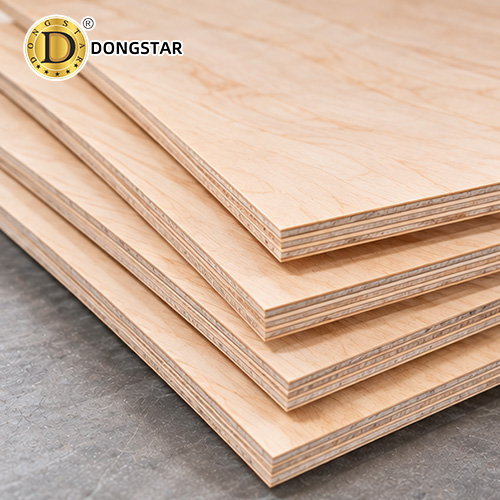
Which Plywood Sheet Dimensions Should You Confirm?
Common plywood formats include 1220 × 2440 mm, 1250 × 2500 mm and 1250 × 3000 mm. Custom dimensions may also be available, depending on the product and manufacturer’s capabilities.
Dongstar lists these standard formats, custom sizes and thickness options of approximately 2.7–40 mm in its plywood product range. Actual availability depends on the requested construction and specification.
Before ordering, confirm the following:
| Specification | What buyers should confirm |
|---|---|
| Length | Required nominal length and permitted variation |
| Width | Required nominal width and permitted variation |
| Thickness | Nominal thickness and thickness tolerance |
| Measurement unit | Millimetres or inches |
| Edge condition | Whether dimensions are measured before or after trimming |
| Squareness | Required diagonal or corner-to-corner criteria |
| Flatness | Applicable requirements for the intended use |
| Standard | Agreed product standard or project specification |
Do not assume that two suppliers use identical measurement and acceptance criteria simply because their quotations show the same sheet dimensions.
For more detail on common formats, see Dongstar’s plywood sizes and thickness guide.
Why Plywood Thickness Tolerance Matters
Thickness variation can affect more than the finished panel’s dimensions. It may also influence machining depth, edge alignment, hardware installation and the consistency of assembled products.
For furniture manufacturers, variation between panels can create extra adjustment work during production. For construction applications, plywood thickness must be considered alongside the design, support spacing, loading conditions and relevant project requirements.
When specifying thickness, buyers should state:
- Nominal thickness, such as 12 mm, 15 mm or 18 mm.
- Required thickness tolerance.
- Whether the panel is sanded or unsanded.
- The measurement method and relevant product standard.
- Any application-specific performance requirements.
Sanding and manufacturing processes can affect the finished thickness. Buyers should therefore confirm whether the quoted thickness refers to the finished, sanded panel or another agreed measurement condition.
A nominal thickness alone is not a complete technical specification.
Length, Width, Squareness and Flatness
Dimensional checks should cover more than one measurement across a single sheet.
Length and width: Measure the panel at the positions required by the agreed inspection method. If multiple readings are required, record them rather than relying on a single measurement.
Squareness: A panel may have the correct length and width but still have corners that are not sufficiently square for the intended cutting or installation process. Diagonal measurements or an agreed squareness method can help identify this issue.
Flatness: Warping or unevenness may create problems during stacking, machining, installation or assembly. The acceptable condition depends on the plywood type, moisture conditions, storage, packaging and end use.
Edge condition: Damaged or uneven edges can affect usable dimensions. Buyers should clarify whether the specification applies to trimmed finished sheets and how edge damage will be assessed.
These checks should be defined before mass production. If a project requires specific tolerances, include the criteria in the approved specification rather than relying on informal discussions.
How to Inspect Plywood Dimensions Before Shipment
A practical inspection process begins before the order is produced.
- Approve the specification. Confirm dimensions, thickness, tolerances, plywood construction and inspection criteria in writing.
- Confirm the sample. Measure a representative sample against the agreed requirements before approving mass production, where appropriate.
- Agree on the inspection plan. Define the sampling method, measurement tools, acceptance criteria and how nonconforming panels will be handled.
- Record measurements. During inspection, record the actual readings and compare them with the agreed limits.
- Check the packed goods. Verify that product labels, quantities, packaging and shipment documents match the purchase order.
For large orders, buyers may use their own quality team or appoint a third-party inspection service. The inspection scope should be agreed in advance; an inspection report is only useful when it checks the requirements that matter to the buyer.
Also remember that moisture and storage conditions can influence wood-based panels. Inspection and storage procedures should be appropriate for the product and destination conditions.
How to Write a Clear Plywood Specification
A useful plywood specification makes it easier for different suppliers to quote comparable products.
Include at least the following information:
| Item | Example of information to provide |
|---|---|
| Product type | Commercial plywood, birch plywood or film faced plywood |
| Sheet size | 1220 × 2440 mm |
| Thickness | 18 mm |
| Tolerance | State the agreed limits or reference standard |
| Face and back | Required veneer species and grade |
| Core | Birch, eucalyptus, poplar, combi or another agreed option |
| Glue | Specify the required bonding system and performance |
| Surface | Sanded, unsanded, film faced or other finish |
| Quantity | Sheets, cubic metres or container quantity |
| Quality control | Sampling method and acceptance criteria |
| Packaging | Pallet, bundle and export packaging requirements |
| Destination | Country and relevant project requirements |
The figures above are an example of how to structure a request, not a universal tolerance specification. The buyer and manufacturer should agree on the actual limits for the product and application.
For a custom order, also state whether the panels must be manufactured directly to the requested dimensions or cut from standard sheets. These are different processes and may involve different costs, lead times and material yields.
If you need customized dimensions, review Dongstar’s existing guide, Can You Order Custom Plywood Sizes and Thicknesses?.
Common Mistakes in Bulk Plywood Orders
Several avoidable errors can create problems after a shipment arrives.
Relying on nominal dimensions alone. A size printed on a quotation does not define the permitted variation.
Mixing measurement units. Always confirm whether dimensions are expressed in millimetres or inches and avoid ambiguous abbreviations.
Leaving tolerance undefined. If no tolerance or reference standard is agreed, the buyer and supplier may have different expectations.
Ignoring the finished surface. Sanded and unsanded panels may have different finished thicknesses.
Approving a sample without documenting it. Keep the approved specification and sample reference connected to the purchase order.
Checking only a few visible sheets. Agree on an appropriate sampling and inspection plan instead of assuming the top sheets represent the entire shipment.
Ignoring transport and storage conditions. Packaging, handling, moisture exposure and storage can affect panel condition between production and delivery.
Clear specifications and documented inspection criteria help reduce uncertainty before goods are shipped.
How to Choose a Reliable Plywood Supplier
For wholesalers, importers and project contractors, a reliable supplier should be able to discuss dimensions and quality requirements in specific, measurable terms.
Before placing a bulk order, ask the manufacturer:
- Can the factory supply the requested dimensions and thickness consistently?
- Which product standards or tolerances can it meet?
- Can it provide a sample and document the approved specification?
- How are dimensions and thickness checked during production?
- Can it support agreed pre-shipment inspections?
- Can packaging and container loading be planned around the order?
- Can it repeat the same specification for future orders?
Dongstar supplies plywood for international B2B applications, with product options covering commercial, furniture, hardwood, construction and other plywood categories. Buyers can review the Dongstar plywood range and submit their required dimensions, thickness, core, surface and quality criteria for quotation.
Planning a bulk plywood order? Send your target dimensions, thickness tolerance, plywood type, quantity and destination to Dongstar’s team so the requirements can be reviewed before the order is confirmed.
Plywood Size Tolerance FAQs
Is there one standard tolerance for all plywood sheets?
No. Acceptable tolerances depend on the applicable product standard, plywood type, manufacturing process and intended application. Confirm the relevant limits with the supplier before ordering.
Does plywood thickness always match the nominal thickness exactly?
Not necessarily. The permitted variation should be defined in the product specification or applicable standard. Buyers should also clarify whether the measurement applies to sanded or unsanded panels.
How do I check whether plywood sheets are square?
Use the measurement method agreed in the inspection specification. Diagonal measurements can help identify differences in squareness, but the acceptance criteria should be established before production.
Can I request custom plywood dimensions with a defined tolerance?
Custom dimensions and tolerances may be possible depending on the product and factory capability. Provide the target length, width, thickness, permitted variation and order quantity for a feasibility review.
Should dimensional tolerance be included in a plywood purchase order?
Yes. Where dimensions are important to the application, include the required limits or applicable standard in the purchase order and quality specification. This gives both parties a shared reference for inspection and acceptance.
What should I do if delivered plywood does not meet the agreed dimensions?
Document the measurements, product identification, quantity affected and inspection conditions. Compare the findings with the agreed specification and follow the quality-claim process in the purchase contract.
Is dimensional tolerance more important for furniture plywood or construction plywood?
It matters in both applications, but the critical requirements differ. Furniture and CNC production may require close dimensional consistency, while construction applications also depend on structural design, support conditions, grade and relevant standards.
Final Advice for Plywood Buyers
For bulk procurement, the right plywood specification is more than a length, width and thickness. It should define the permitted variation, surface condition, construction, inspection method and acceptance criteria relevant to the application.
Before confirming your next order, make sure the quotation, approved sample, purchase order and inspection plan all refer to the same requirements. This simple step can help importers, distributors, furniture manufacturers and project buyers reduce avoidable quality disputes and establish a more reliable supply process.
Recommended Reading from Dongstar Blog
- What Is Plywood? Types, Uses & Buying Guide | Dongstar
- What Are the Different Types of Plywood? 9 Types Compared for B2B Buyers
- Can You Order Custom Plywood Sizes and Thicknesses? A B2B Manufacturer Guide
- How Is Plywood Made? From Wood Veneer to Finished Plywood Sheet
- What Is Plywood Made Of? Plywood Layers, Veneers & Core Explained
- Plywood Sheets Wholesale Sizes: Standard & Custom Guide
- How Thick Is 3/4 Inch Plywood in mm? 1/2″ & 5/8″ Guide
- 1220×2440mm vs 1250×2500mm Plywood: Size Guide for Buyers
Post time: Oct-26-2026