



Table of Contents
- Why Import Plywood from China?
- Popular Types of Plywood for Import
- How to Find a Reliable China Plywood Supplier
- How to Verify Plywood Quality
- Why Samples Matter Before Bulk Orders
- Price Negotiation and MOQ Tips
- Step-by-Step Shipping Process
- Documents Required for Plywood Imports
- Common Import Mistakes to Avoid
- FAQs
Global demand for plywood continues growing in construction, furniture manufacturing, interior decoration, and infrastructure projects. At the same time, more importers are choosing China because of competitive pricing, strong manufacturing capacity, and flexible OEM production.
But for many buyers, especially first-time importers, one question remains:
How do you safely and successfully handle Plywood Imports from China?
Whether you are a contractor, distributor, wholesaler, or project developer, understanding the full importing process can help reduce risks, avoid quality problems, and improve long-term profitability.
This guide explains every major step of importing plywood from trusted Chinese Plywood Exporters in 2026.
Why Import Plywood from China?
China remains one of the world’s largest plywood manufacturing and export centers.
Thousands of international buyers source plywood products from China every year because Chinese factories offer:
- Competitive pricing
- Large production capacity
- Diverse plywood categories
- OEM customization
- Mature export logistics
Key Advantages of Chinese Suppliers
Cost Efficiency
Large-scale manufacturing helps reduce production costs significantly compared with many other markets.
Wide Product Selection
Buyers can source:
- Marine plywood
- Commercial plywood
- Film faced plywood
- Furniture plywood
- Decorative plywood
- Melamine plywood
Strong Export Experience
Professional Chinese Plywood Exporters understand:
- International quality standards
- Shipping documentation
- Container loading requirements
- Customs procedures
This reduces communication issues and improves supply chain stability.
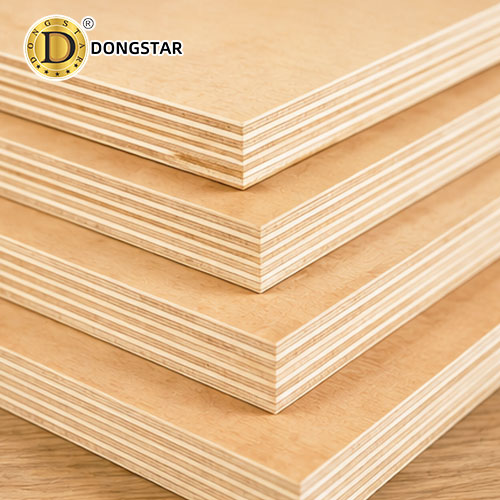
Popular Types of Plywood for Import
Before placing orders, buyers should clearly understand the plywood category they need.
Commercial Plywood
Widely used for:
- Furniture
- Interior decoration
- Cabinets
- Shelving
Marine Plywood
Designed for:
- Wet environments
- Outdoor applications
- Bathroom furniture
- Construction projects
Film Faced Plywood
Mainly used in:
- Concrete formwork
- Construction shuttering
- Infrastructure projects
Decorative Plywood
Popular in:
- Interior wall panels
- Furniture surfaces
- Retail interiors
Selecting the correct plywood category is essential because performance requirements vary greatly across projects.
How to Find a Reliable China Plywood Supplier
Choosing the right supplier is the most important part of successful plywood importing.
Where Buyers Usually Search
Importers commonly find suppliers through:
- Google search
- Industry exhibitions
- B2B platforms
- Trade referrals
- Factory visits
Key Things to Check
Factory Experience
Reliable factories usually have:
- Export history
- Stable production lines
- Professional sales teams
Certifications
Ask suppliers for:
- FSC
- CE
- CARB P2
- ISO certificates
Production Capacity
Large projects require stable monthly output and reliable delivery schedules.
Questions to Ask Suppliers
- What core materials are used?
- What glue standards are available?
- Can OEM packaging be provided?
- What thickness tolerances are guaranteed?
A professional China Plywood Supplier should provide clear technical specifications and transparent communication.
How to Verify Plywood Quality
One of the biggest concerns in plywood sourcing is inconsistent quality.
Important Quality Factors
Core Construction
Good plywood should have:
- Minimal core voids
- Strong bonding
- Uniform density
Glue Quality
Different glue systems include:
- MR glue
- Melamine glue
- WBP phenolic glue
For moisture-resistant projects, WBP glue is highly recommended.
Surface Inspection
Check:
- Veneer smoothness
- Sanding quality
- Edge integrity
- Surface repair consistency
Moisture Content
Ideal plywood moisture content:
- Around 8%–12%
Poor moisture control may cause warping during shipment.
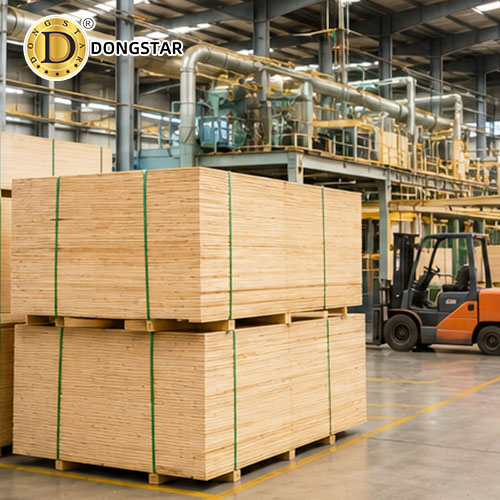
Why Samples Matter Before Bulk Orders
Many import problems happen because buyers skip sample testing.
Sample Evaluation Checklist
Before confirming container orders, test:
- Thickness accuracy
- Weight consistency
- Surface finish
- Glue bonding
- Moisture resistance
Why It’s Important
Factory photos alone cannot fully show:
- Internal core quality
- Real veneer appearance
- Machining performance
Professional buyers always request samples before large-volume purchasing.
Price Negotiation and MOQ Tips
Pricing depends on many factors beyond thickness alone.
Main Pricing Factors
- Core material
- Veneer grade
- Glue type
- Surface finish
- Packaging requirements
- Order quantity
MOQ Considerations
Some factories support mixed container loading, allowing buyers to combine:
- Different thicknesses
- Multiple plywood types
- Customized specifications
This flexibility helps distributors reduce inventory pressure.
Payment Terms
Common international payment methods include:
- T/T transfer
- Letter of Credit (L/C)
New buyers often start with partial deposits before shipment.
Step-by-Step Shipping Process
Understanding the shipping process helps buyers avoid delays and unexpected costs.
Step 1: Confirm Specifications
Finalize:
- Thickness
- Size
- Core type
- Glue standard
- Quantity
Step 2: Approve Samples
Production should begin only after sample confirmation.
Step 3: Production and Inspection
Most professional buyers arrange:
- Factory inspections
- Third-party QC inspections
- Pre-shipment testing
Step 4: Container Loading
Proper loading protects plywood from:
- Moisture
- Corner damage
- Compression problems
Step 5: Shipping and Customs Clearance
Buyers should work with experienced freight forwarders familiar with plywood imports.
Documents Required for Plywood Imports
Accurate documentation is critical for customs clearance.
Common Export Documents
- Commercial invoice
- Packing list
- Bill of lading
- Certificate of origin
- Fumigation certificate
- Quality certificates
Certification Requirements
Different markets may require:
- FSC certification
- CARB compliance
- CE marking
Always confirm local import regulations before shipment.
Common Import Mistakes to Avoid
Many importers lose money because of preventable sourcing mistakes.
1. Choosing Only the Lowest Price
Extremely cheap plywood often leads to:
- Delamination
- Core gaps
- Poor durability
2. Skipping Factory Verification
Always verify:
- Production capacity
- Factory legitimacy
- Export experience
3. Ignoring Moisture Content
Improper moisture levels can damage plywood during transportation.
4. Weak Packaging Standards
Poor packaging increases shipping damage risk significantly.
5. No Pre-Shipment Inspection
Third-party inspections help reduce disputes and unexpected quality problems.
FAQs
Why do buyers import plywood from China?
China offers competitive pricing, large production capacity, diverse plywood categories, and strong export experience.
What is the most imported plywood type?
Commercial plywood and film faced plywood are among the most widely imported products globally.
How do I verify plywood quality?
Check core structure, glue quality, surface finish, certifications, and moisture content before shipment.
What certifications should plywood suppliers provide?
Common certifications include FSC, CARB P2, CE, and ISO standards.
Is container inspection necessary?
Yes. Pre-shipment inspection helps reduce quality disputes and import risks.
How do I choose a reliable China Plywood Supplier?
Choose factories with stable production capacity, export experience, transparent communication, and strong quality control systems.
Conclusion
Importing plywood from China can be highly profitable when buyers follow a structured sourcing process and cooperate with reliable Chinese Plywood Exporters.
From supplier verification to quality inspection and shipping management, every step plays an important role in successful Plywood Imports.
For wholesalers, project contractors, and distributors, working with an experienced China Plywood Supplier helps ensure stable quality, competitive pricing, and long-term business growth in 2026 and beyond.
Recommended Reading from Dongstar Blog
- What is Plywood? Complete Guide for Importers in 2026
- Why OSB Board is Trending in Global Construction? 2026 Buyer Guide for Importers and Builders
- What is Film Faced Plywood? 2026 Complete Guide to Formwork Plywood for Construction Projects
- Marine Plywood vs Commercial Plywood: 2026 Buyer Comparison Guide from a Trusted China
- What is Melamine Board? 2026 Buyer’s Guide to Melamine Plywood & Melamine MDF
- How much does a 4×8 sheet of 3/4 plywood weigh? Cost Guide 2026
- How to Choose the Right MDF Board for Cabinets: 2026 Importer Guide from a Trusted MDF Board Supplier
Post time: May-22-2026