

Table of Contents
- Marine Plywood vs Commercial Plywood
- What is Marine Plywood?
- What is Commercial Plywood?
- Key Differences Between Marine and Commercial Plywood
- Best Applications for Each Type
- How to Choose the Right Plywood
- Why Buyers Source from a China Plywood Supplier
- 2026 Plywood Pricing Trends
- Import Tips for Bulk Buyers
- FAQs
When sourcing plywood for construction, furniture, or interior projects, buyers often face one important question: should you choose Marine Plywood or Commercial Plywood?
At first glance, they may look similar. But in real-world applications, the differences can significantly affect durability, moisture resistance, lifespan, and overall project cost.
For project contractors, wholesalers, and importers, understanding these differences is critical before placing bulk orders from a China Plywood Supplier.
This guide explains the real differences between marine and commercial plywood, where each one performs best, and how to choose the right product for your market in 2026.
Marine Plywood vs Commercial Plywood
Both products belong to the plywood family, but they are designed for completely different environments and performance requirements.
Quick Comparison Overview
| Feature | Marine Plywood | Commercial Plywood |
|---|---|---|
| Water Resistance | Excellent | Moderate |
| Glue Type | WBP Phenolic Glue | MR Glue |
| Durability | High | Standard |
| Core Quality | Premium Hardwood | Mixed Core |
| Price | Higher | More Affordable |
| Main Use | Outdoor & Wet Areas | Interior Projects |
The biggest difference is moisture resistance. Marine plywood is engineered for wet and humid conditions, while commercial plywood is mainly intended for dry indoor applications.
What is Marine Plywood?
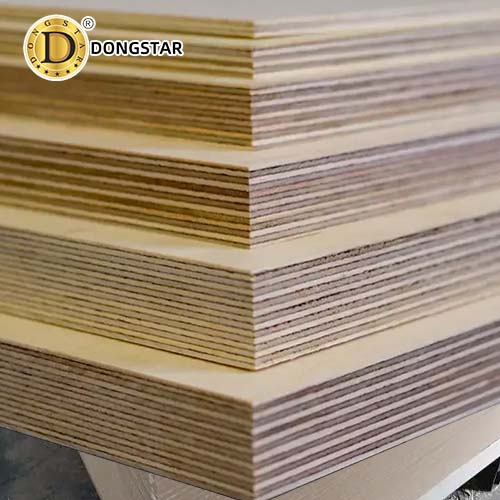
Marine Plywood is a high-performance plywood manufactured using waterproof phenolic resin glue and high-quality hardwood veneers.
It is specifically designed to withstand:
- High humidity
- Water exposure
- Temperature fluctuations
- Long-term outdoor use
Key Features of Marine Plywood
Waterproof Performance
Marine plywood uses WBP (Weather and Boil Proof) glue, allowing the board to resist delamination even after prolonged moisture exposure.
Strong Core Structure
Premium hardwood veneers create a dense and durable core with minimal voids.
Longer Service Life
Because of its durability, marine plywood often lasts significantly longer than standard plywood products.
Common Applications
- Boat interiors
- Bathroom cabinets
- Outdoor furniture
- Kitchen projects
- Construction formwork
- Coastal building projects
As global demand for moisture-resistant materials grows, searches for marine plywood continue increasing, especially in the Middle East, Southeast Asia, and coastal construction markets.
What is Commercial Plywood?
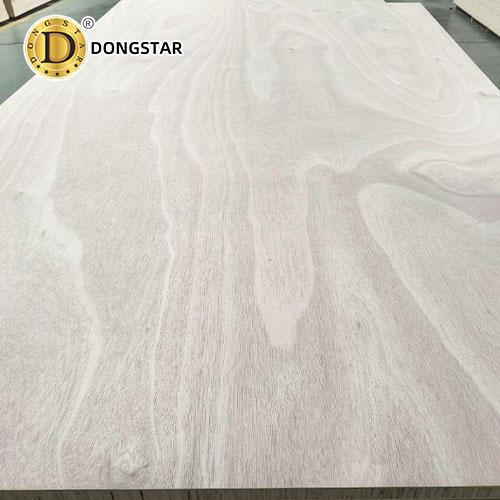
Commercial Plywood is one of the most commonly used plywood products in interior applications.
It is typically manufactured using MR (Moisture Resistant) glue and mixed hardwood or poplar core veneers.
Main Advantages
Cost Efficiency
Commercial plywood is more affordable, making it suitable for large-scale interior projects.
Versatility
It works well for:
- Furniture manufacturing
- Interior wall panels
- Shelving
- Office furniture
- Decorative applications
Easy Processing
Commercial plywood is lightweight and easy to cut, laminate, and process.
Important Limitation
Commercial plywood is moisture resistant, not waterproof.
That means occasional humidity is acceptable, but continuous water exposure can damage the board over time.
Key Differences Between Marine and Commercial Plywood
Understanding technical differences helps buyers avoid expensive sourcing mistakes.
1. Glue Technology
Marine Plywood
Uses WBP phenolic glue with strong waterproof bonding performance.
Commercial Plywood
Uses MR glue suitable for dry indoor environments.
2. Core Material
Marine plywood typically contains:
- Hardwood core
- Fewer gaps
- Better density
Commercial plywood may use:
- Poplar core
- Mixed hardwood
- Recycled veneer combinations
3. Durability
Marine plywood handles:
- Moisture
- Heavy loads
- Long-term wear
Commercial plywood is ideal for standard indoor usage with moderate durability requirements.
4. Price Difference
Marine plywood costs more because:
- Better glue
- Higher-grade veneers
- Stricter manufacturing standards
However, for high-moisture projects, choosing cheaper plywood often leads to higher replacement costs later.
Best Applications for Each Type
Choosing the right plywood depends on the actual environment.
Best Uses for Marine Plywood
- Marine construction
- Bathroom furniture
- Exterior wall panels
- Outdoor kitchens
- High-humidity commercial interiors
Best Uses for Commercial Plywood
- Bedroom furniture
- Office desks
- Retail shelving
- Interior decoration
- Residential cabinets
Many importers reduce costs by combining both products within the same project.
For example:
- Marine plywood in wet zones
- Commercial plywood in dry areas
This strategy balances performance and budget effectively.
How to Choose the Right Plywood
Before placing bulk orders, buyers should evaluate the following factors carefully.
Environment
Ask:
- Will the plywood face humidity?
- Is water exposure expected?
- Indoor or outdoor use?
Budget
Commercial plywood works well for cost-sensitive interior projects.
Marine plywood offers better long-term value for demanding environments.
Surface Requirements
For decorative furniture:
- Check veneer quality
- Confirm sanding smoothness
- Verify thickness tolerance
Certifications
Reliable plywood should meet standards such as:
- FSC
- CARB P2
- E0/E1 emission levels
- CE certification
Why Buyers Source from a China Plywood Supplier
China remains one of the world’s largest plywood manufacturing hubs.
A professional China Plywood Supplier can provide:
- Competitive pricing
- Stable production capacity
- OEM customization
- Fast container loading
- Flexible specifications
Advantages of Sourcing from China
Large Product Variety
Chinese factories offer:
- Marine plywood
- Commercial plywood
- Film faced plywood
- Furniture plywood
- Decorative panels
Export Experience
Experienced suppliers understand:
- International quality standards
- Packaging requirements
- Documentation processes
- Bulk shipment logistics
What Importers Should Verify
Before cooperation, confirm:
- Factory audit
- Production capacity
- Glue standards
- Moisture content
- Quality inspection procedures
Reliable communication and consistent quality are more important than choosing the lowest price supplier.
2026 Plywood Pricing Trends
Plywood prices in 2026 continue to fluctuate because of:
- Timber supply changes
- Environmental regulations
- Ocean freight costs
- Energy prices
Current Market Trend
Recent market demand shows:
- Strong growth for waterproof plywood
- Increased demand for FSC-certified products
- Rising interest in customized plywood sizes
Marine plywood pricing remains higher, but demand continues increasing because buyers prioritize long-term durability.
Import Tips for Bulk Buyers
For importers and distributors, successful sourcing requires more than just comparing prices.
Key Import Tips
Request Samples First
Never place container orders without physical testing.
Verify Thickness Tolerance
Incorrect thickness is one of the most common industry issues.
Check Moisture Content
Ideal plywood moisture content:
- 8%–12%
Confirm Packaging
Strong export packaging reduces transportation damage significantly.
Conduct Pre-Shipment Inspection
Third-party inspections help avoid costly disputes.
FAQs
Is Marine Plywood completely waterproof?
Marine plywood is highly water resistant because it uses WBP glue, but long-term exposure still requires proper sealing and maintenance.
Can Commercial Plywood be used in kitchens?
Yes, but only in low-moisture areas. Marine plywood performs better in wet environments.
Why is Marine Plywood more expensive?
It uses higher-quality veneers, waterproof glue, and stricter production standards.
Which plywood is better for furniture?
Commercial plywood works well for indoor furniture, while marine plywood is better for humid areas.
What thickness is most popular?
18mm plywood is one of the most commonly imported sizes globally.
How do I choose a reliable China Plywood Supplier?
Look for export experience, certifications, factory inspections, and stable quality control systems.
Conclusion
The decision between Marine Plywood and Commercial Plywood depends entirely on your project requirements, budget, and environmental conditions.
For moisture-prone applications, marine plywood offers superior durability and long-term performance.
For standard interior projects, commercial plywood remains a cost-effective and practical solution.
Working with an experienced China Plywood Supplier can help importers achieve better pricing, stable quality, and long-term supply reliability in 2026 and beyond.
Recommended Reading from Dongstar Blog
- What is Plywood? Complete Guide for Importers in 2026
- What is Melamine Board? 2026 Buyer’s Guide to Melamine Plywood & Melamine MDF
- How much does a 4×8 sheet of 3/4 plywood weigh? Cost Guide 2026
- How Much is a Sheet of Plywood? 2026 Price Guide + 6 Cost-Saving Tips
- Plywood Shelving Ideas: Simple & Stylish Storage Solutions
- Plywood vs. MDF vs. Particle Board: Which is Best for Your Project?
- A Successful Conclusion | The 139th Canton Fair Concludes Successfully – Dongstar Group Moves Forward with Honors, Opening a New Chapter in Global Cooperation
Post time: May-09-2026