


Table of Contents
What is Plywood?
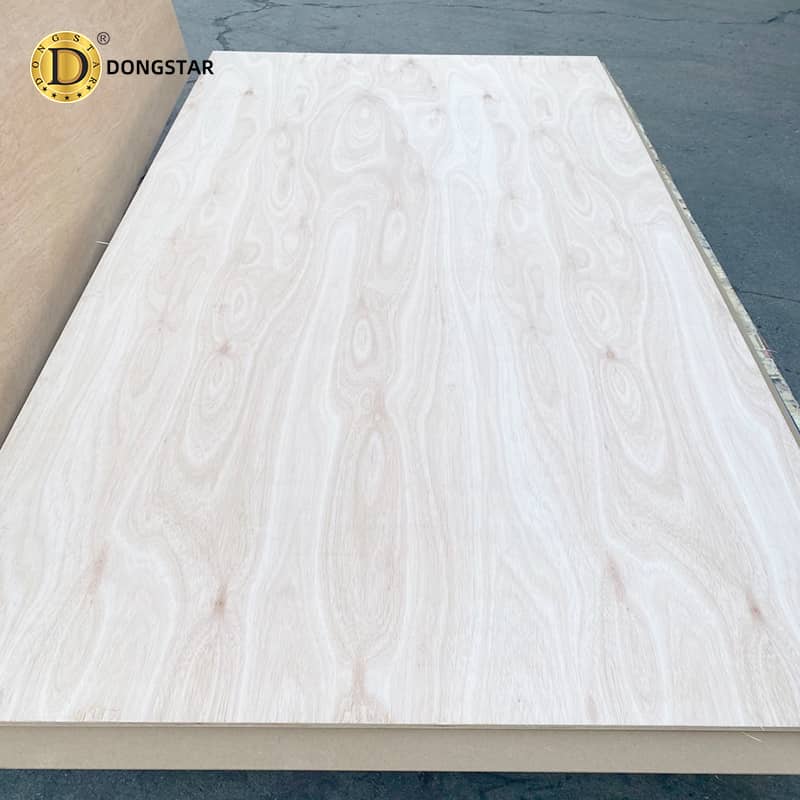
Plywood is an engineered wood panel made by bonding thin layers of wood veneers together, with each layer placed at right angles to the next.
This cross-layer structure gives plywood its key advantages:
- High strength-to-weight ratio
- Resistance to cracking and warping
- Stable performance in different climates
Unlike solid wood, plywood maintains its shape even in humid or changing environments, making it ideal for international projects.
How Plywood is Made
Understanding manufacturing helps buyers judge quality.
Step-by-Step Process
- Log peeling into thin veneers
- Drying and grading
- Glue application (phenolic or urea resin)
- Cross-layer stacking
- Hot pressing under high pressure
This process creates a panel that is stronger and more uniform than natural timber.
Key Insight for Importers
- More layers (plies) = higher strength
- Better glue = better moisture resistance
Why Plywood is Popular in Global Trade
Plywood demand keeps growing globally because it balances performance and cost.
Top Reasons Buyers Prefer Plywood
- Cost-effective alternative to solid wood
- Easy to transport and cut
- Wide availability in standard sizes
- Suitable for automation and prefabrication
For large-scale projects, consistency matters—and plywood delivers exactly that.
Types of Plywood for Different Applications
Choosing the wrong type can cost you money. Here are the most common options:
1. Commercial Plywood
- General interior use
- Affordable and widely available
2. Marine Plywood
- Waterproof and highly durable
- Ideal for outdoor or humid environments
3. Structural Plywood
- Designed for load-bearing applications
- Used in construction frameworks
4. Hardwood Plywood
- Premium finish
- Furniture and cabinetry
5. Softwood Plywood
- Lightweight
- Roofing and subflooring
Each type serves a specific purpose, so aligning your purchase with your project is critical.
4×8 Plywood: The Global Standard Size
Among all sizes, 4×8 Plywood (1220mm × 2440mm) is the industry standard.
Why 4×8 Plywood Dominates
- Fits construction frameworks perfectly
- Reduces cutting waste
- Easy to stack and ship
- Compatible with global building systems
This size is the most commonly traded plywood dimension worldwide.
Thickness Options
- 9mm – lightweight panels
- 12mm – furniture use
- 18mm – structural strength
Pro Tip for Importers
Always confirm:
- Actual thickness tolerance
- Core material (poplar, birch, hardwood)
- Glue type (MR, WBP, BWP)
Plywood Grades and Quality Standards
Not all plywood is created equal.
Common Grading System
- A Grade – smooth, high-quality finish
- B Grade – minor defects
- C Grade – visible imperfections
- D Grade – utility use
Important Certifications
- FSC (sustainability)
- CARB (formaldehyde emission)
- CE (European compliance)
For importers, certifications are often more important than price.
Main Applications of Plywood
Plywood is used across industries:
Construction
- Wall sheathing
- Roofing
- Flooring
Furniture
- Cabinets
- Wardrobes
- Tables
Industrial Use
- Packaging
- Formwork
- Transport crates
Its versatility is why it remains a top material globally.
Importing Plywood: Key Considerations
If you’re sourcing plywood internationally, pay attention to:
1. Supplier Reliability
Choose verified manufacturers with export experience.
2. Moisture Content
Ideal range: 8%–12%
3. Glue Type
- MR – interior
- WBP – exterior
4. Packaging
Ensure proper palletization and edge protection.
5. Inspection
Always request:
- Sample testing
- Pre-shipment inspection
Plywood Pricing Trends in 2026
Plywood prices fluctuate due to:
- Raw material costs
- Shipping rates
- Environmental regulations
2026 Market Trend
- Stable demand in construction
- Rising preference for eco-certified plywood
- Increased demand for 4×8 Plywood bulk orders
FAQs
1. What is Plywood mainly used for?
It is widely used in construction, furniture, and industrial applications due to its strength and versatility.
2. Why is 4×8 Plywood so popular?
Because it fits standard building dimensions and minimizes waste.
3. Which plywood is best for outdoor use?
Marine plywood or WBP plywood is best for moisture resistance.
4. How do I choose a plywood supplier?
Look for certifications, export experience, and consistent quality.
5. What thickness is best for furniture?
12mm to 18mm is commonly used.
6. Is plywood better than solid wood?
For many applications, yes—because it is more stable and cost-effective.
Conclusion
Now that you fully understand What is Plywood, you can see why it remains a top material choice for importers and project buyers worldwide.
Whether you’re sourcing 4×8 Plywood for construction or furniture, success comes down to:
- Choosing the right type
- Verifying supplier quality
- Understanding market trends
For bulk buyers, plywood isn’t just a product—it’s a long-term supply strategy.
Recommended Related Blogs
- How Much Does a Sheet of 1/2 Plywood Weigh?
- How Much Does a Sheet of 3/4″ Plywood Weigh?
- How Long is a Sheet of Plywood? A Practical Guide to 4×8 Plywood Dimensions
- How much does a 4×8 sheet of 3/4 plywood weigh? Cost Guide 2026
Recommended Related Products
Post time: Apr-23-2026