
Table of Contents
- What is Oriented Strand Board – OSB?
- Why OSB Board is Trending Globally
- Plywood vs OSB Board: Key Differences
- Main Applications of OSB Board
- Advantages of OSB in Construction
- OSB Types and Specifications
- How to Choose an OSB Baord Supplier
- Why Buyers Import OSB from China
- 2026 OSB Market and Pricing Trends
- FAQs
The global construction industry is changing rapidly. Builders, wholesalers, and importers are now looking for materials that are strong, cost-effective, sustainable, and suitable for large-scale projects.
One product seeing major demand growth in 2026 is OSB Baord, also known as oriented strand board – osb.
From residential housing to commercial buildings, OSB panels are becoming a preferred alternative to traditional plywood in many applications. At the same time, online searches related to plywood vs osb board continue increasing as buyers compare performance and pricing before sourcing materials internationally.
So why exactly is OSB board becoming so popular worldwide?
This guide explains the advantages, applications, specifications, and sourcing tips importers need to know before working with an experienced OSB Baord Supplier.
What is Oriented Strand Board – OSB?
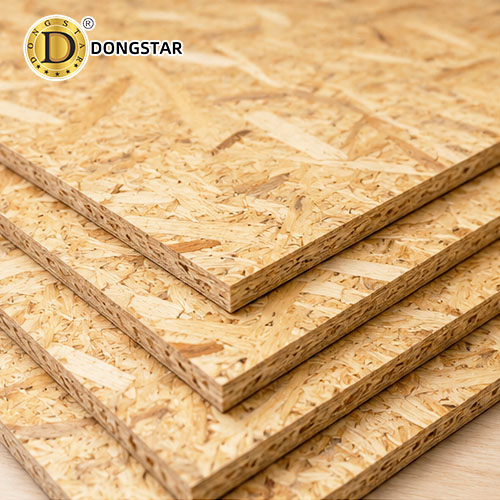
Oriented strand board – osb is an engineered wood panel manufactured by compressing wood strands with resin adhesives under high heat and pressure.
Unlike plywood, which uses large wood veneers, OSB uses strategically layered wood strands arranged in specific directions for added strength and stability.
Basic Structure of OSB
The board is typically made from:
- Fast-growing wood species
- Waterproof resin adhesives
- Multi-directional strand layers
This structure creates panels with:
- High load-bearing performance
- Dimensional stability
- Consistent quality
Why Builders Use OSB
OSB has become popular because it offers:
- Competitive pricing
- Reliable structural strength
- Efficient production scalability
- Reduced wood waste
These advantages make it especially attractive for large-volume construction projects.
Why OSB Board is Trending Globally
Global demand for OSB continues rising because the construction industry is prioritizing:
- Affordable building materials
- Sustainable products
- Faster project execution
- Large-scale prefabrication systems
1. Cost Advantage
Compared with plywood, OSB is often more affordable due to:
- Efficient raw material usage
- Automated manufacturing
- Lower production waste
For contractors managing large projects, this price difference can significantly reduce total construction costs.
2. Sustainability
Modern buyers increasingly prefer eco-friendly building materials.
OSB manufacturing uses smaller trees and maximizes raw wood utilization, making it a more sustainable engineered panel option.
3. Strong Structural Performance
OSB performs well in:
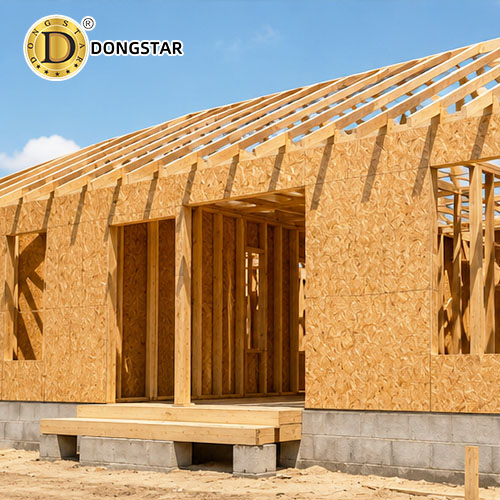
- Roofing systems
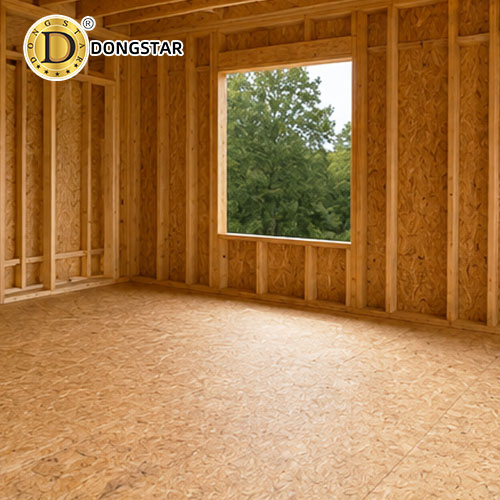
- Wall sheathing
- Subflooring
- Structural panels
Its strength and consistency make it suitable for modern construction standards.
4. Growing Prefabricated Construction
As modular and prefabricated construction expands globally, OSB demand continues growing because the panels are:
- Easy to install
- Lightweight
- Consistent in size
- Suitable for automated assembly
Plywood vs OSB Board: Key Differences
One of the most searched construction material comparisons today is plywood vs osb board.
Although both are engineered wood products, they perform differently depending on the application.
Quick Comparison Table
| Feature | OSB Board | Plywood |
|---|---|---|
| Price | More Affordable | Higher |
| Surface Appearance | Rough Texture | Smoother |
| Structural Strength | Very Good | Excellent |
| Moisture Resistance | Moderate to Good | Better |
| Weight | Heavier | Lighter |
| Manufacturing Consistency | High | Moderate |
When OSB is Better
OSB is commonly preferred for:
- Large construction projects
- Roofing systems
- Wall sheathing
- Budget-sensitive applications
When Plywood is Better
Plywood performs better in:
- High-moisture environments
- Decorative applications
- Furniture manufacturing
- Premium finishing projects
Many contractors combine both materials depending on project requirements.
Main Applications of OSB Board
OSB is widely used in modern construction and industrial manufacturing.
Residential Construction
Roof Decking
OSB panels are commonly used under roofing materials because of their structural stability.
Wall Sheathing
The panels help strengthen wall framing systems.
Flooring Systems
OSB subfloor panels provide reliable support in residential projects.
Commercial Construction
- Temporary structures
- Hoarding panels
- Site offices
- Industrial flooring
Packaging Industry
OSB is also used for:
- Export packaging
- Pallets
- Transport crates
Advantages of OSB in Construction
The popularity of OSB is largely driven by its practical performance advantages.
1. Consistent Quality
Unlike natural wood products, OSB panels maintain:
- Uniform density
- Stable dimensions
- Consistent structural performance
2. Large Panel Sizes
OSB is available in large formats, reducing:
- Installation time
- Joint gaps
- Material waste
3. Good Load-Bearing Capacity
OSB performs well under structural stress, making it suitable for demanding building applications.
4. Efficient Supply Chain
Global OSB production continues expanding, improving product availability for importers worldwide.
5. Cost-Effective for Large Projects
For wholesalers and project developers, OSB provides strong value for high-volume construction work.
OSB Types and Specifications
Different construction applications require different OSB grades.
Common OSB Grades
OSB/1
General indoor use in dry environments.
OSB/2
Load-bearing applications in dry conditions.
OSB/3
Load-bearing applications in humid conditions.
OSB/4
Heavy-duty structural use with higher moisture resistance.
Popular Sizes
| Size | Market |
|---|---|
| 1220 × 2440mm | Global standard |
| 1250 × 2500mm | European market |
| Customized sizes | OEM projects |
Common Thicknesses
- 9mm
- 11mm
- 15mm
- 18mm
- 22mm
18mm OSB remains one of the most popular construction specifications.
How to Choose an OSB Baord Supplier
Selecting the right supplier is critical for long-term project success.
Key Factors to Evaluate
Production Capacity
Can the factory handle bulk container orders consistently?
Quality Certifications
Reliable suppliers should provide:
- FSC
- CE
- CARB
- ISO certifications
Moisture Resistance
Always verify technical specifications and adhesive standards.
Packaging Quality
Strong export packaging reduces shipping damage significantly.
Questions Importers Should Ask
- What OSB grade is recommended?
- What glue system is used?
- What is the panel density?
- Are OEM specifications supported?
A professional OSB Baord Supplier should provide transparent technical documentation and stable production quality.
Why Buyers Import OSB from China
China continues to expand its engineered wood manufacturing industry.
Advantages of Chinese OSB Manufacturers
Competitive Pricing
Large-scale production helps reduce manufacturing costs.
Flexible OEM Production
Importers can customize:
- Panel sizes
- Thickness
- Density
- Packaging
Export Experience
Chinese suppliers understand:
- Container logistics
- International quality standards
- Bulk order management
Increasing Global Demand
Construction buyers in:
- Southeast Asia
- Middle East
- Africa
- South America
continue increasing imports of OSB products for infrastructure and housing development.
2026 OSB Market and Pricing Trends
OSB pricing in 2026 is influenced by:
- Timber supply
- Resin prices
- Freight costs
- Housing market demand
- Environmental regulations
Current Industry Trends
Recent search demand shows increasing interest in:
- Structural OSB panels
- Waterproof OSB board
- Sustainable construction materials
- OSB vs plywood cost comparisons
Importers are now focusing more on supply stability and consistent product quality rather than simply sourcing the lowest price.
FAQs
What is OSB Board mainly used for?
OSB is mainly used for roofing, wall sheathing, flooring, and structural construction applications.
Is OSB stronger than plywood?
OSB offers strong structural performance, but plywood generally performs better in moisture resistance and decorative applications.
Is OSB waterproof?
Standard OSB is moisture resistant, but prolonged water exposure may affect performance. Higher-grade OSB panels offer improved moisture protection.
Why is OSB cheaper than plywood?
OSB manufacturing uses smaller wood strands and highly automated production processes, reducing production costs.
Which OSB thickness is most popular?
18mm OSB is widely used for flooring and structural construction.
How do I choose a reliable OSB Baord Supplier?
Choose suppliers with certifications, export experience, stable quality control, and strong production capacity.
Conclusion
The rapid growth of OSB Baord in global construction is driven by affordability, structural performance, sustainability, and efficient manufacturing.
As builders continue comparing plywood vs osb board, OSB is becoming an increasingly attractive solution for large-scale projects and modern construction systems.
For wholesalers, contractors, and importers, working with an experienced OSB Baord Supplier helps ensure stable quality, competitive pricing, and long-term supply reliability in 2026 and beyond.
Recommended Reading from Dongstar Blog
- What is Plywood? Complete Guide for Importers in 2026
- What is Film Faced Plywood? 2026 Complete Guide to Formwork Plywood for Construction Projects
- Marine Plywood vs Commercial Plywood: 2026 Buyer Comparison Guide from a Trusted China
- What is Melamine Board? 2026 Buyer’s Guide to Melamine Plywood & Melamine MDF
- How much does a 4×8 sheet of 3/4 plywood weigh? Cost Guide 2026
- How to Choose the Right MDF Board for Cabinets: 2026 Importer Guide from a Trusted MDF Board Supplier
Post time: May-18-2026