

Table of Contents
- Understanding How Chinese Plywood Pricing Works
- What Really Affects China Plywood Price?
- Preparation Before Negotiating with a China Plywood Factory
- 12 Proven Negotiation Strategies Used by Professional Importers
- Seven Common Pricing Mistakes Buyers Make
- How to Choose the Right China Plywood Factory
- China Plywood Price Trends in 2026
- Why Global Buyers Work with Dongstar
- Frequently Asked Questions
For many importers, negotiating with a China Plywood Factory can feel challenging. Prices vary widely, technical specifications are often complex, and choosing the lowest quotation can lead to quality issues that cost far more in the long run.
Experienced procurement managers know that successful negotiations are not about pushing suppliers to their lowest price. Instead, they focus on reducing the total procurement cost while ensuring consistent quality, stable delivery, and long-term supply reliability.
Whether you purchase Commercial Plywood, Film Faced Plywood, Marine Plywood, or custom-engineered panels, understanding how Chinese manufacturers calculate prices will help you negotiate with confidence.
This guide shares practical strategies used by professional buyers worldwide to achieve competitive China Plywood Prices without compromising quality.
Understanding How Chinese Plywood Pricing Works
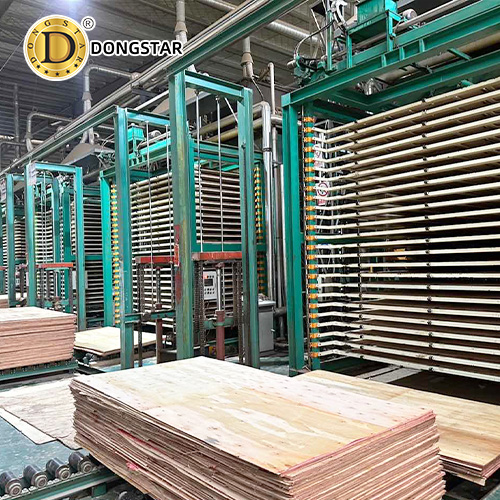
Many overseas buyers assume that every plywood sheet with the same dimensions should cost roughly the same. In reality, pricing depends on a combination of technical specifications, raw material costs, production efficiency, and export requirements.
Chinese factories typically calculate prices based on:
- Core species
- Veneer quality
- Glue system
- Panel thickness
- Surface finish
- Moisture content
- Production quantity
- Packaging requirements
- Certification costs
- Shipping terms
Without confirming these details, comparing quotations from different suppliers is rarely meaningful.
What Really Affects China Plywood Price?
Raw Material Quality
The type of wood used for the core significantly influences price and performance.
Common core options include:
- Poplar
- Hardwood
- Birch
- Eucalyptus
- Mixed core
Each offers different strength, weight, and cost characteristics.
Adhesive System
Glue selection determines water resistance and durability.
Common adhesive types:
- MR Glue
- Melamine Glue
- WBP Glue
Higher-performance adhesives increase manufacturing costs but also improve product lifespan.
Veneer Grade
Premium face veneers require more careful selection and processing, resulting in higher prices but better appearance and finishing performance.
Factory Technology
Modern automated production lines improve consistency and reduce defects, although they require greater investment from manufacturers.
Export Packaging
Proper packaging protects plywood during long-distance transportation and reduces damage claims.
Preparation Before Negotiating with a China Plywood Factory
Successful negotiations begin long before discussing prices.
Professional buyers prepare a detailed specification sheet that includes:
- Product dimensions
- Thickness tolerance
- Face and back grade
- Core composition
- Glue type
- Moisture requirements
- Packaging details
- Destination market
- Required certifications
Clear specifications allow suppliers to provide accurate quotations and avoid misunderstandings.
Buyers should also estimate annual purchasing volumes, as long-term commitments often lead to better pricing.
12 Proven Negotiation Strategies Used by Professional Importers
1. Compare Identical Specifications
Ensure every quotation is based on the same product specifications.
2. Ask About Volume Discounts
Higher annual purchasing volumes typically unlock better factory pricing.
3. Consider Mixed Containers
Combining different panel types within one shipment can improve purchasing flexibility.
4. Discuss Payment Terms
Negotiating payment schedules may provide greater financial flexibility than requesting additional price reductions.
5. Request Production Planning
Flexible delivery schedules can help factories optimize production and reduce costs.
6. Build Long-Term Partnerships
Manufacturers generally offer better pricing to customers with repeat business.
7. Understand Seasonal Pricing
Raw material costs fluctuate throughout the year.
Planning purchases strategically can reduce procurement costs.
8. Negotiate Total Value
Request improvements such as:
- Better packaging
- Faster production
- Additional quality inspections
- Free replacement policies
- Technical support
9. Verify Factory Capability
Visit the factory or request a virtual audit before placing large orders.
10. Evaluate Export Experience
Experienced exporters often reduce hidden costs by handling documentation and logistics efficiently.
11. Don’t Chase the Lowest Price
Extremely low quotations may indicate lower-grade raw materials or weaker quality control.
12. Build Trust
Long-term relationships often result in preferred pricing, priority production, and stronger after-sales support.
Seven Common Pricing Mistakes Buyers Make
Many sourcing problems begin with avoidable mistakes:
- Choosing suppliers solely based on price
- Ignoring factory production capability
- Overlooking packaging quality
- Failing to inspect samples
- Comparing different specifications
- Ignoring certifications
- Underestimating logistics costs
Experienced buyers evaluate total procurement value rather than simply comparing unit prices.
How to Choose the Right China Plywood Factory
Price should never be the only evaluation factor.
Consider:
Manufacturing Capacity
Can the factory consistently meet your required volumes?
Quality Management
Does the factory maintain documented quality inspection procedures?
Export Experience
Can they provide complete export documentation and comply with destination market regulations?
Customer Service
Responsive communication often reflects professional management.
Product Range
A broader product portfolio simplifies future procurement.
China Plywood Price Trends in 2026
Industry analysts expect pricing in 2026 to be influenced by:
- Global construction demand
- Timber supply
- Environmental regulations
- Ocean freight rates
- Energy costs
- Currency fluctuations
Although short-term market conditions may change, China is expected to remain one of the world’s most competitive plywood manufacturing centers due to its mature supply chain and large-scale production capacity.
Why Global Buyers Work with Dongstar
Dongstar supplies plywood and engineered wood panels to customers across the Middle East, Europe, Southeast Asia, Africa, and Latin America.
Customers choose Dongstar because of:
Stable Manufacturing
Consistent production standards help reduce quality variations between shipments.
Comprehensive Product Portfolio
Including:
- Commercial Plywood
- Film Faced Plywood
- Marine Plywood
- MDF Board
- OSB Board
- Melamine Board
- Particle Board
Flexible Production
Support for OEM branding, customized specifications, and mixed-container orders.
Professional Export Services
Experienced documentation, logistics coordination, and responsive customer support simplify international procurement.
Frequently Asked Questions
How much can buyers negotiate with a China Plywood Factory?
The final price depends on order volume, specifications, payment terms, and long-term purchasing plans. Negotiations are most successful when both parties focus on mutual value rather than only reducing the unit price.
What influences China Plywood Price the most?
Core material, glue type, veneer grade, production technology, packaging, certifications, and order quantity all affect pricing.
Is it better to work directly with a factory?
For many wholesalers and project buyers, purchasing directly from a factory provides better pricing, improved customization, and closer communication.
Does ordering larger quantities reduce prices?
In most cases, yes. Higher volumes improve production efficiency and often qualify for better pricing.
Should I choose the cheapest supplier?
Not necessarily. A reliable supplier with stable quality and dependable delivery usually provides better long-term value than the lowest quotation.
What documents should buyers request before placing an order?
Request product specifications, quality certifications, inspection reports, packing details, and export documentation relevant to your destination market.
Conclusion
Negotiating with a China Plywood Factory is about building a sustainable business relationship rather than winning a single transaction.
The most successful importers prepare detailed specifications, understand cost drivers, compare total procurement value, and work with manufacturers that consistently deliver quality, reliability, and professional service.
By focusing on long-term partnerships instead of short-term price reductions, buyers can secure competitive China Plywood Prices, reduce sourcing risks, and strengthen their supply chain for years to come.
Recommended Reading from Dongstar Blog
- What is Plywood? Complete Guide for Importers in 2026
- China vs Vietnam Plywood: Which is Better for Importers in 2026?
- Dubai WoodShow 2026: Meet Dongstar at Booth A18 for Premium Plywood, MDF, OSB & Decorative Panels
- What to Check Before Buying Plywood from China: 12 Critical Factors Every Importer Must Know
- How to Find Reliable MDF Manufacturers in China
- Best Plywood Suppliers in China : Top China Plywood Factory Recommendations for Global Buyers
- How to Import Plywood from China? 2026 Step-by-Step Guide for Global Buyers
- Why OSB Board is Trending in Global Construction? 2026 Buyer Guide for Importers and Builders
Post time: Jul-09-2026