



Table of Contents
- Average Weight of a 4×8 Sheet of 1/2 Plywood
- Why 1/2 Plywood Weight Changes
- 1/2 Plywood Weight by Material Type
- Why Plywood Weight Matters for Global Importers
- How Plywood Weight Affects Shipping Costs
- How to Choose the Right 4×8 Plywood Supplier
- Why Global Buyers Choose Dongstar Plywood
- Frequently Asked Questions
How Much Does a 4×8 Sheet of 1/2 Plywood Weigh? Complete Weight Guide for Global Buyers in 2026
For construction companies, distributors, wholesalers, and international importers, knowing the weight of plywood is more important than many buyers realize.
A simple question such as “How much does a 4×8 sheet of 1/2 plywood weigh?” affects transportation planning, container loading, labor costs, installation efficiency, and even project budgeting.
A standard 4×8 sheet of 1/2 plywood is one of the most commonly purchased plywood sizes worldwide. It is widely used in residential construction, commercial projects, furniture manufacturing, packaging, and general building applications.
However, the actual weight is not always the same. Different wood species, core structures, glue types, and manufacturing standards can create significant weight differences between plywood products.
For global buyers sourcing from manufacturers such as a China Plywood Factory, understanding plywood weight helps create more accurate purchasing decisions and logistics plans.
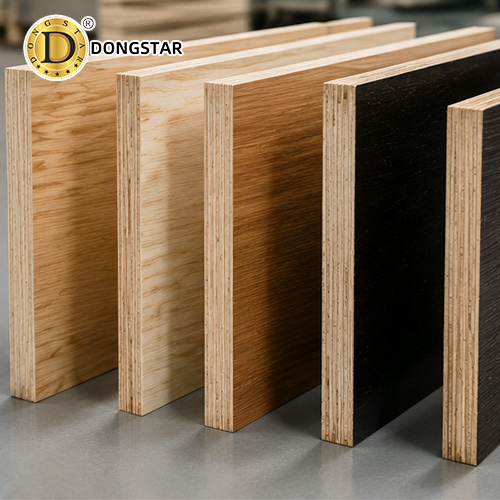
Average Weight of a 4×8 Sheet of 1/2 Plywood
A standard 4×8 sheet of 1/2 plywood measures:
- Length: 8 feet (2440 mm)
- Width: 4 feet (1220 mm)
- Thickness: 1/2 inch (approximately 12 mm)
The average weight range of a 4×8 sheet of 1/2 plywood is:
| Plywood Type | Approximate Weight per Sheet |
|---|---|
| Softwood plywood | 45–55 lbs (20–25 kg) |
| Poplar core plywood | 40–50 lbs (18–23 kg) |
| Hardwood plywood | 55–65 lbs (25–30 kg) |
| Birch plywood | 60–70 lbs (27–32 kg) |
| Marine plywood | 60–75 lbs (27–34 kg) |
| Film faced plywood | 55–70 lbs (25–32 kg) |
These numbers are general reference values. Actual weight depends on the manufacturer’s specifications.
For international purchasing, buyers should always request the supplier’s technical data sheet before calculating container loading quantities.
Why 1/2 Plywood Weight Changes
Many buyers assume that all plywood with the same thickness weighs the same. In reality, several factors influence plywood density.
Wood Species
Different wood species have different densities.
Common plywood materials include:
Poplar Core
Advantages:
- Lightweight
- Easy handling
- Competitive pricing
- Suitable for furniture and general applications
Hardwood Core
Advantages:
- Higher strength
- Better durability
- Suitable for construction applications
Birch Core
Advantages:
- Excellent strength-to-weight ratio
- Premium surface quality
- Used for high-end applications
Glue Type
The adhesive system also affects weight.
Common glue options:
- MR glue
- Melamine glue
- WBP waterproof glue
Water-resistant plywood usually contains stronger adhesive systems, which may slightly increase weight.
Moisture Content
Wood naturally absorbs moisture.
Higher moisture content increases plywood weight, while properly dried plywood remains lighter and more stable.
1/2 Plywood Weight by Material Type
For importers purchasing 4×8 plywood, understanding material differences helps avoid incorrect cost calculations.
| Product | Typical Application | Weight Characteristics |
|---|---|---|
| Commercial Plywood | Furniture, decoration, general construction | Medium weight |
| Film Faced Plywood | Concrete formwork | Higher weight due to coating |
| Marine Plywood | Marine and outdoor applications | Higher density and durability |
| Birch Plywood | Premium furniture and interiors | Heavy and strong |
| Poplar Plywood | Furniture and packaging | Lightweight option |
The best plywood choice depends on the application rather than weight alone.
A lighter plywood may reduce transportation costs, but a stronger plywood may provide better performance and lower replacement costs.
Why Plywood Weight Matters for Global Importers
For international buyers, plywood weight directly influences several business decisions.
Container Loading
Shipping companies calculate container limits based on weight and volume.
A 20ft or 40ft container may reach its weight limit before reaching its maximum volume capacity.
Understanding the weight of each sheet helps buyers:
- Optimize container loading
- Avoid overweight charges
- Calculate accurate shipping costs
Labor Costs
Heavy plywood requires more handling effort.
For large construction projects, even a few kilograms per sheet can significantly affect labor efficiency.
Project Planning
Contractors need accurate material weight information for:
- Structural planning
- Transportation arrangements
- Installation scheduling
How Plywood Weight Affects Shipping Costs
For plywood importers, shipping is a major part of the final landed cost.
A typical container calculation considers:
- Number of sheets
- Sheet dimensions
- Total weight
- Packaging method
- Destination port
For example, two plywood products with identical dimensions may have different shipping costs if one has a much higher density.
Professional buyers usually evaluate:
Total Landed Cost = Product Price + Freight + Insurance + Duties + Handling Costs
This is why choosing the cheapest plywood is not always the most economical decision.
A reliable supplier should provide:
- Packing list
- Net weight
- Gross weight
- Loading quantity
- Container loading plan

How to Choose the Right 4×8 Plywood Supplier
When purchasing large quantities of 4×8 plywood, weight information is only one part of supplier evaluation.
Professional buyers should check:
Product Consistency
Does every shipment maintain the same thickness, density, and quality?
Factory Capability
Can the supplier handle your required monthly volume?
Quality Control
Does the factory inspect:
- Thickness tolerance
- Moisture content
- Bonding strength
- Surface quality
Export Experience
Experienced suppliers understand:
- International packaging requirements
- Shipping regulations
- Documentation standards
A professional China Plywood Supplier should provide complete product specifications before quotation.
Why Global Buyers Choose Dongstar Plywood
Dongstar supplies plywood products to importers, wholesalers, contractors, and distributors worldwide.
The company provides:
Wide Product Range
Including:
- Commercial Plywood
- Film Faced Plywood
- Marine Plywood
- MDF Board
- OSB Board
- Melamine Board
- Particle Board
Manufacturing Experience
Dongstar focuses on stable production processes, quality control, and international export requirements.
Customized Solutions
Support includes:
- OEM production
- Customized sizes
- Different core materials
- Export packaging solutions
Professional Export Service
Global buyers receive support with:
- Technical specifications
- Shipping documents
- Container loading
- Product selection
Frequently Asked Questions
How much does a 4×8 sheet of 1/2 plywood weigh?
A standard 4×8 sheet of 1/2 plywood usually weighs between 40 and 70 pounds (18–32 kg), depending on wood species, density, and manufacturing process.
Is 1/2 plywood heavier than 3/8 plywood?
Yes. Thicker plywood contains more wood material, making it heavier than thinner plywood panels.
Does marine plywood weigh more than regular plywood?
Generally, yes. Marine plywood often uses higher-density materials and waterproof glue systems, increasing its weight.
How many sheets of 1/2 plywood fit in a shipping container?
The quantity depends on plywood specifications, packaging method, and container weight limits. A supplier should provide a professional loading plan.
Does plywood weight affect shipping costs?
Yes. Weight directly affects freight calculations, especially for international container shipments.
What is the most common plywood size for export?
The 4×8 sheet (1220x2440mm) is one of the most common export sizes worldwide.
Conclusion
Understanding how much a 4×8 sheet of 1/2 plywood weighs helps buyers make better decisions about purchasing, shipping, and project planning.
While the average weight of 1/2 plywood is usually between 40 and 70 pounds, the final weight depends on material selection, core structure, glue type, and manufacturing standards.
For global importers purchasing large volumes of 4×8 plywood, working with an experienced supplier ensures accurate specifications, reliable quality, and optimized logistics.
Choosing the right plywood supplier is not only about price. It is about finding the best balance between quality, performance, transportation efficiency, and long-term supply reliability.
Recommended Reading from Dongstar Blog
- What is Plywood? Complete Guide for Importers in 2026
- Plywood Price per Sheet in 2026 | China Plywood Price Guide for Global Buyers
- How to Negotiate Plywood Prices with Chinese Factories: 12 Proven Strategies to Reduce Costs Without Sacrificing Quality
- China vs Vietnam Plywood: Which is Better for Importers in 2026?
- Dubai WoodShow 2026: Meet Dongstar at Booth A18 for Premium Plywood, MDF, OSB & Decorative Panels
- What to Check Before Buying Plywood from China: 12 Critical Factors Every Importer Must Know
- How to Find Reliable MDF Manufacturers in China
- Best Plywood Suppliers in China : Top China Plywood Factory Recommendations for Global Buyers
Post time: Jul-31-2026