

Table of Contents
- MDF vs Plywood at a Glance: Quick Comparison for Bulk Buyers
- Cost Analysis: Which Material Saves More on Large Orders?
- Durability & Performance: What Matters for Commercial Projects
- Moisture Resistance: Critical Factors for Importers
- Best Application Scenarios: Matching Material to Project Type
- Smart Sourcing Tips: How to Vet Your MDF or Plywood Supplier
- Certifications & Compliance: What Global Buyers Must Verify
- Final Verdict: Making the Right Choice for Your Next Bulk Order
MDF vs Plywood at a Glance: Quick Comparison for Bulk Buyers
When you’re sourcing materials for a commercial development, furniture manufacturing line, or large-scale renovation, the choice between MDF and plywood isn’t just about preference—it’s about ROI, logistics, and long-term performance. Both materials dominate the engineered wood market, but they serve fundamentally different purposes.
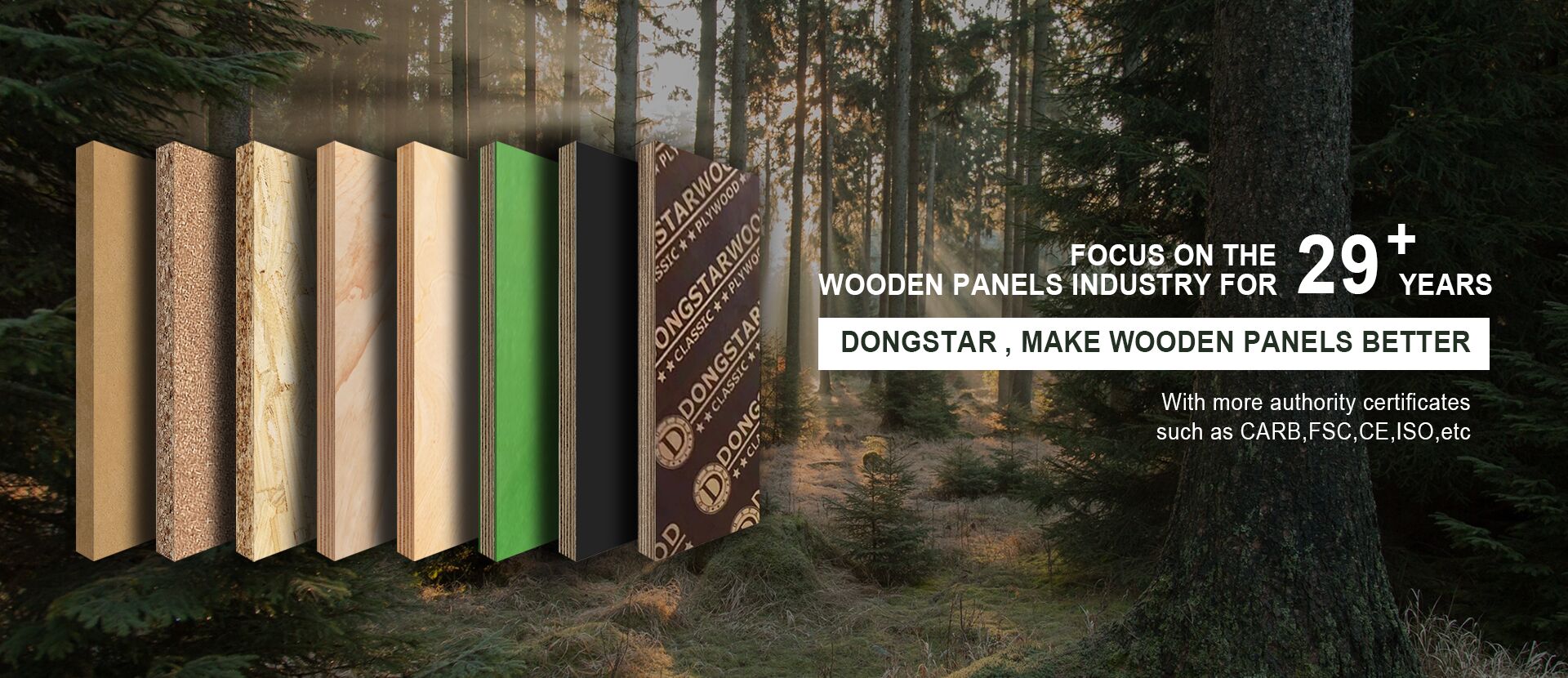
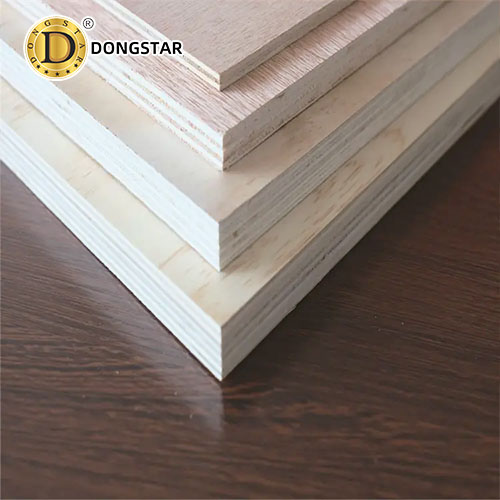
MDF (Medium Density Fibreboard) is made from refined wood fibers bonded with resin under heat and pressure. It delivers an ultra-smooth, uniform surface ideal for painted finishes, CNC machining, and detailed millwork. Plywood, by contrast, consists of thin wood veneers layered and glued with alternating grain directions, giving it superior structural strength and dimensional stability.
For project managers and importers, the decision hinges on three core factors: budget constraints, environmental exposure, and end-use application. Let’s break down what actually matters when you’re ordering by the container.
Cost Analysis: Which Material Saves More on Large Orders?
Price volatility affects both materials, but MDF typically offers a 30–40% cost advantage over comparable-grade plywood in bulk transactions. A standard 4×8 sheet of 18mm MDF might land at $28–45 FOB China, while commercial-grade plywood of the same dimensions often ranges from $42–75, depending on core species and adhesive type.
However, “cheaper” doesn’t always mean “better value.” Consider these hidden cost factors:
- Waste factor: MDF’s uniform composition reduces cutting waste for CNC operations, potentially lowering material loss by 15–20% compared to plywood with voids or patches.
- Finishing costs: MDF requires less surface prep for painting—no grain filling, minimal sanding. For projects demanding high-gloss or detailed finishes, this can cut labor time significantly.
- Shipping density: MDF is heavier (approx. 700–800 kg/m³) than plywood (500–650 kg/m³). For ocean freight, this impacts container utilization and per-unit shipping costs.
Pro tip: Request FOB pricing with clear specifications (thickness tolerance, formaldehyde emission class, edge sealing options). Reputable MDF Supplier partners will provide detailed spec sheets and sample packs before you commit to a container order.
Durability & Performance: What Matters for Commercial Projects
Structural integrity is non-negotiable for load-bearing applications. Plywood’s cross-laminated construction gives it superior screw-holding power, impact resistance, and flexural strength. It’s the default choice for subflooring, concrete formwork, shipping crates, and structural sheathing.
MDF, while dense and stable under controlled conditions, lacks the layered reinforcement of plywood. It’s prone to edge chipping under heavy impact and doesn’t hold screws as securely without pre-drilling or specialized fasteners. That said, modern high-density MDF variants (HDF) have narrowed this gap for non-structural interior applications.
For furniture manufacturers, MDF’s homogeneous core allows for clean, precise routing of decorative edges, dovetails, and joinery details—something plywood’s layered edges can’t match without edge banding. If your project involves painted cabinetry, display fixtures, or retail millwork, MDF’s smooth surface often delivers a more premium final appearance with less finishing labor.
Moisture Resistance: Critical Factors for Importers
This is where many bulk buyers make costly specification errors. Standard MDF absorbs moisture readily and will swell, delaminate, or lose structural integrity if exposed to humidity above 65% RH or direct water contact. Even “moisture-resistant” (MR-MDF) variants are only suitable for high-humidity interiors—not exterior or wet-area applications.
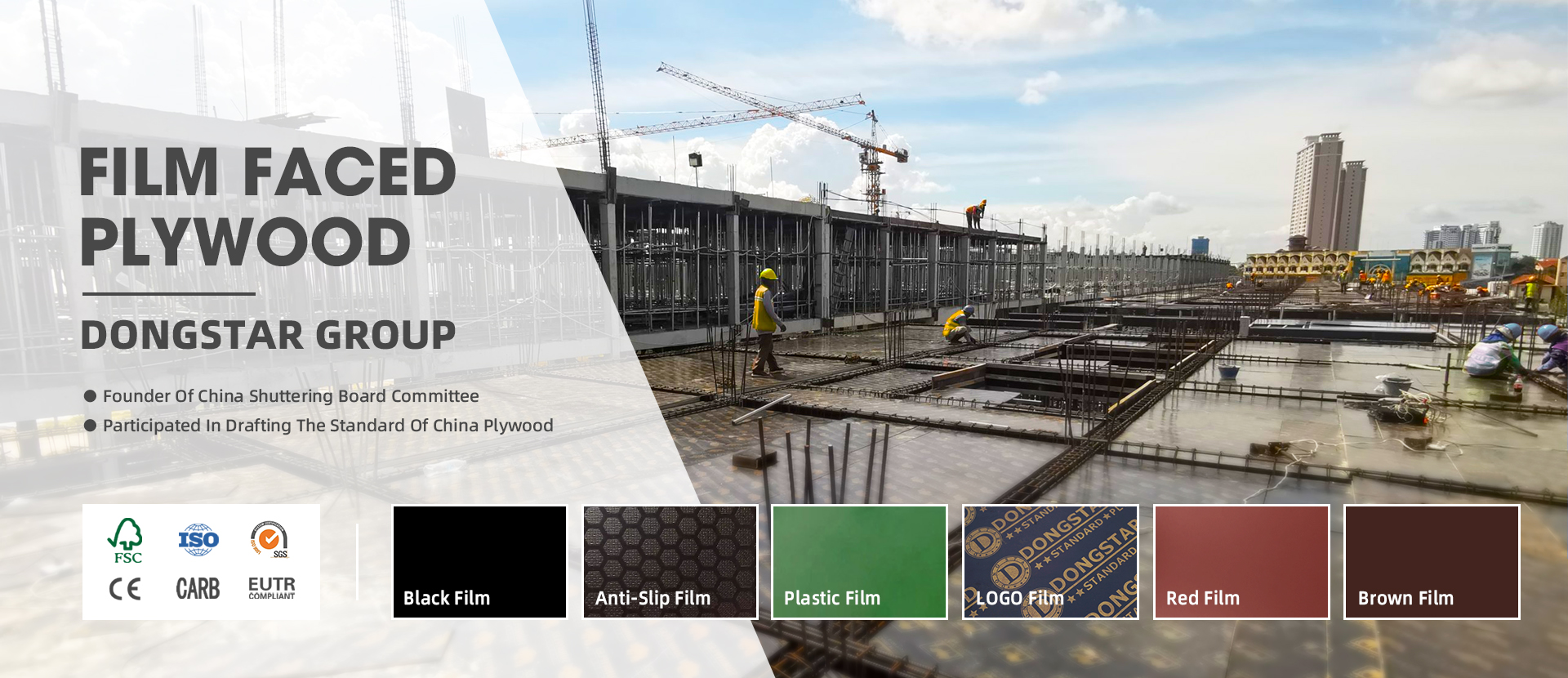
Plywood, especially exterior-grade (WBP or EN314-2 certified), uses waterproof phenolic adhesives and can withstand repeated wet/dry cycles. Film-faced plywood takes this further with a phenolic-coated surface designed for 20+ concrete pours in formwork applications. If your project involves:
- Coastal construction
- Bathroom/kitchen cabinetry
- Outdoor furniture
- Warehouse storage in humid climates
…plywood isn’t just preferable—it’s often required by building codes. Always verify the adhesive type (E0, E1, CARB Phase 2) and request moisture content test reports from your Plywood Supplier before finalizing orders.
Best Application Scenarios: Matching Material to Project Type
Choose MDF when:
- Manufacturing painted furniture, cabinets, or retail displays
- Producing decorative wall panels, moldings, or CNC-machined components
- Working on interior fit-outs with controlled humidity
- Prioritizing surface finish quality over structural load capacity
- Budget constraints favor material cost savings on non-structural elements
Choose Plywood when:
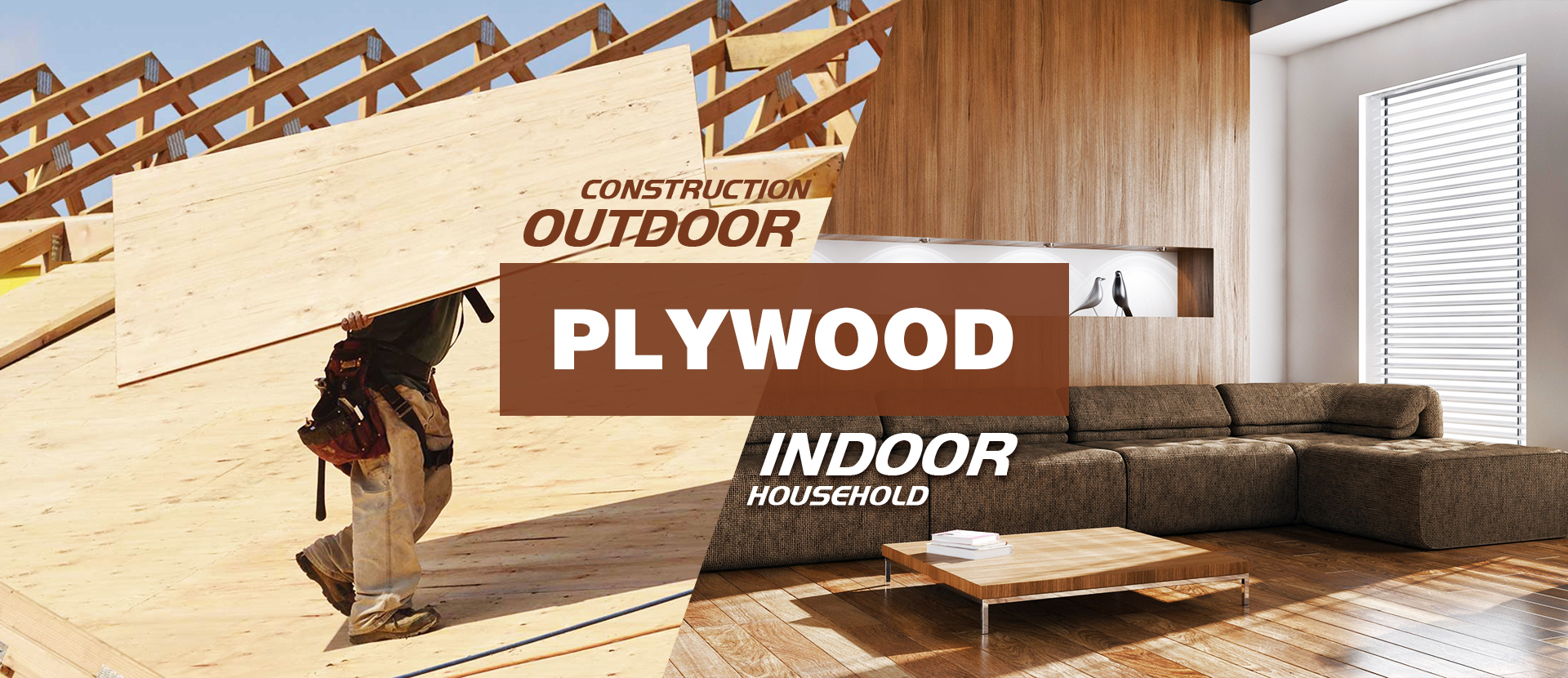
- Building subfloors, roof decking, or structural sheathing
- Producing concrete formwork, shipping pallets, or industrial packaging
- Specifying materials for exterior cladding, balconies, or marine environments
- Requiring high screw-holding strength or impact resistance
- Working on projects where dimensional stability under variable humidity is critical
Many large-scale projects actually use both: plywood for structural frameworks and MDF for interior finish components. A strategic <a href=”https://www.dongstar.com/”>wood panel supplier</a> can help you optimize the mix to balance performance and cost.
Smart Sourcing Tips: How to Vet Your MDF or Plywood Supplier
When ordering by the container, supplier reliability matters as much as product specs. Here’s what experienced importers check before signing a PO:
- Factory audit reports: Request recent third-party inspections (SGS, BV, Intertek) verifying production capacity and QC processes.
- Sample validation: Never approve bulk production without testing physical samples for thickness tolerance, edge quality, and surface finish.
- Lead time transparency: Confirm realistic production + shipping timelines. Reputable suppliers provide detailed Gantt charts for large orders.
- Payment terms flexibility: Look for suppliers offering LC, TT, or escrow options that align with your cash flow.
- After-sales support: Will they replace defective sheets? How are claims handled? Get this in writing.
Dongstar, for example, specializes in bulk orders for project contractors and distributors, offering customized thicknesses, edge sealing, and branding options for wholesale clients. Their export-focused QC system ensures consistency across container loads—a critical factor when you’re managing multi-site deployments.
Certifications & Compliance: What Global Buyers Must Verify
International projects demand documentation. Before finalizing any bulk order, confirm your supplier can provide:
- FSC/PEFC certification for sustainable sourcing claims (increasingly required in EU/US markets)
- CARB Phase 2 or EPA TSCA Title VI compliance for formaldehyde emissions (mandatory for North American imports)
- CE marking with DoP (Declaration of Performance) for European construction applications
- EN 314-2 / EN 636 classification for plywood intended for exterior use
- ISO 9001 quality management certification as a baseline indicator of operational maturity
Don’t accept verbal assurances. Request digital copies of current certificates and verify their validity through the issuing body’s online portal. A professional MDF Supplier or Plywood Supplierwill have these documents readily available and updated.
Final Verdict: Making the Right Choice for Your Next Bulk Order
There’s no universal “better” material—only the right material for your specific project requirements, budget parameters, and risk tolerance.
Lean toward MDF if: Your priority is cost-efficient, high-finish interior components with minimal surface prep. Ideal for furniture manufacturers, retail fit-out contractors, and interior decorators working in controlled environments.
Lean toward Plywood if: Structural performance, moisture resistance, or code compliance drives your specification. Essential for construction firms, formwork suppliers, and exporters serving humid or exterior applications.
The smartest bulk buyers don’t choose one over the other permanently. They maintain relationships with versatile suppliers who can deliver both materials to spec, allowing them to optimize material selection project-by-project.
Ready to source engineered wood panels with confidence? Dongstar supports project contractors, wholesalers, and importers with tailored solutions for MDF, plywood, OSB, and melamine boards. Request your customized quote and sample kit today to evaluate quality firsthand.
Recommended Internal Blog
- Top 10 Types of Plywood for Furniture Manufacturing: Ultimate Guide to Boost Quality & Profits
- Vietnam Birch Plywood vs Baltic Birch Plywood: Which Is Better?
- Is MDF Stronger Than Plywood? A Straightforward Guide for Builders
- How Long is a Sheet of Plywood? A Practical Guide to 4×8 Plywood Dimensions
Post time: Apr-27-2026