

Introduction: Why This Comparison Matters in 2026
If you’re sourcing plywood in bulk for Europe, the debate around Vietnam Birch Plywood vs Baltic Birch has never been more critical.
Over the past few years, the European plywood market has shifted dramatically. Supply disruptions, rising costs, and stricter compliance requirements have forced importers and project buyers to rethink their sourcing strategies.
Traditionally, Baltic Birch Plywood dominated the premium segment. But today, Vietnam Birch Plywood is rapidly gaining ground—especially among cost-sensitive and large-volume buyers.
So the real question is no longer which is better in theory, but:
Which one delivers better value, stability, and ROI for your business?
1. What Is Vietnam Birch Plywood?
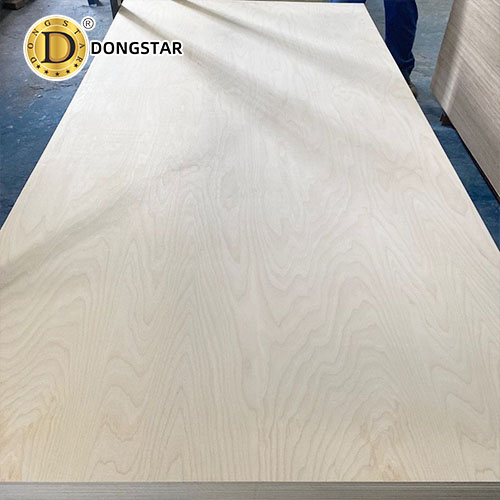
Vietnam Birch Plywood refers to plywood manufactured in Vietnam using birch face veneers combined with engineered hardwood cores.
Key Characteristics:
- Birch veneer surface (good for finishing)
- Mixed hardwood core (eucalyptus, rubberwood, etc.)
- Competitive pricing
- Scalable production capacity
Unlike traditional European plywood, Vietnam focuses on cost-performance balance, making it ideal for:
- Furniture manufacturing
- Interior panels
- Mass production projects
Many factories now meet E0/E1, CARB P2, and FSC standards, aligning with EU compliance expectations.
2. What Is Baltic Birch Plywood?
Baltic Birch Plywood is a premium product made entirely from multiple layers of solid birch veneer, primarily sourced from Northern and Eastern Europe.
Key Features:
- 100% birch core
- High ply count (multi-layer structure)
- Nearly void-free construction
- Excellent strength and durability
It has long been considered the gold standard for:
- CNC machining
- High-end cabinetry
- Structural furniture
Its dense construction provides superior mechanical performance and consistency.
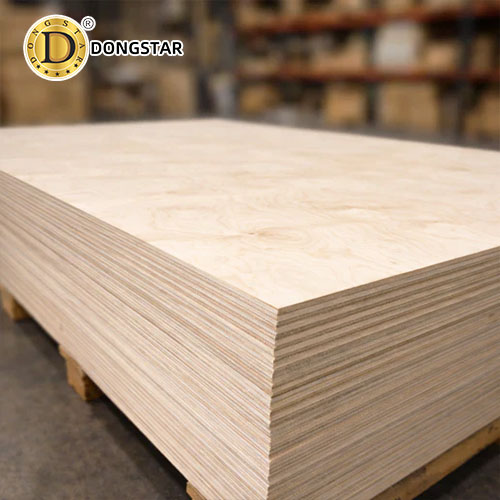
3. Vietnam Birch Plywood vs Baltic Birch: Core Differences
3.1 Structure & Composition
| Feature | Vietnam Birch Plywood | Baltic Birch Plywood |
|---|---|---|
| Core Material | Mixed hardwood core | 100% birch veneers |
| Layer Count | Moderate | High (multi-ply) |
| Voids | Possible | Minimal/void-free |
| Edge Appearance | Less uniform | Clean layered edges |
Baltic birch offers structural purity, while Vietnam plywood optimizes cost and flexibility.
3.2 Strength & Performance
Baltic Birch:
- Higher density
- Better screw holding
- Ideal for heavy-duty use
Vietnam Birch:
- Strong enough for most applications
- Improved machining performance
- Suitable for large-scale production
Modern Vietnam plywood has significantly narrowed the performance gap.
3.3 Price & Cost Efficiency (Critical for EU Buyers)
This is where things change dramatically.
- Baltic Birch: Premium pricing due to limited supply
- Vietnam Birch: 20–40% lower cost
For wholesalers and importers:
- Lower procurement cost = higher margins
- Better price stability for long-term contracts
3.4 Supply Stability & Risk
EU buyers are increasingly concerned about supply chain risk.
Baltic Birch:
- Affected by sanctions and regional dependency
- Supply shortages and price volatility
Vietnam Birch:
- Diversified sourcing model
- Stable export environment
- Scalable production
This makes Vietnam a more predictable sourcing option.
3.5 Compliance & EU Import Regulations
With stricter EU regulations:
Baltic Birch:
- Higher scrutiny due to origin concerns
Vietnam Birch:
- Clear documentation
- FSC-certified options available
- Better alignment with EU import compliance
4. EU Market Trends: Why Buyers Are Switching
Recent European search and procurement trends show a clear shift:
Key Drivers:
- Rising Baltic Birch prices (40–60% increase in some cases)
- Supply shortages due to geopolitical issues
- Demand for cost-efficient alternatives
Result:
More buyers are:
- Testing Vietnam Birch Plywood
- Switching for bulk orders
- Using hybrid sourcing strategies
5. Best Applications: Which One Should You Choose?
Choose Baltic Birch Plywood if you need:
- Premium furniture
- Visible edge designs
- High-end craftsmanship
- CNC precision work
Choose Vietnam Birch Plywood if you need:
- Cost-effective bulk supply
- Painted or laminated furniture
- Large-scale projects
- Stable long-term sourcing
6. Real Buyer Perspective (What Importers Actually Care About)
From a B2B perspective, buyers are not just comparing materials—they are evaluating:
1. Cost predictability
2. Supply continuity
3. Compliance risk
4. Production scalability
Vietnam Birch wins in 3 out of 4 categories.
That’s why many EU importers are no longer asking:
“Is Vietnam plywood as good?”
They’re asking:
“Why are we still paying more for Baltic?”
7. Vietnam Birch Plywood vs Baltic Birch: Final Verdict
There is no one-size-fits-all answer.
But for most commercial buyers in 2026:
- Baltic Birch = Premium niche product
- Vietnam Birch = Mainstream industrial solution
If your priority is margin, stability, and scalability, Vietnam Birch Plywood is the smarter choice.
FAQs
1. Is Vietnam Birch Plywood as strong as Baltic Birch?
Not identical, but strong enough for most commercial uses, especially furniture and interior applications.
2. Why is Baltic Birch more expensive?
Due to limited supply, higher production costs, and geopolitical restrictions.
3. Can Vietnam Birch meet EU standards?
Yes. Many suppliers offer FSC, CARB P2, and E0/E1 certified products.
4. Which plywood is better for importers?
Vietnam Birch is generally better for bulk import due to cost and supply stability.
5. Is Baltic Birch still worth it?
Yes, for high-end or precision applications.
6. Why are EU buyers switching to Vietnam?
Better pricing, stable supply, and lower compliance risks.
Post time: Apr-21-2026