

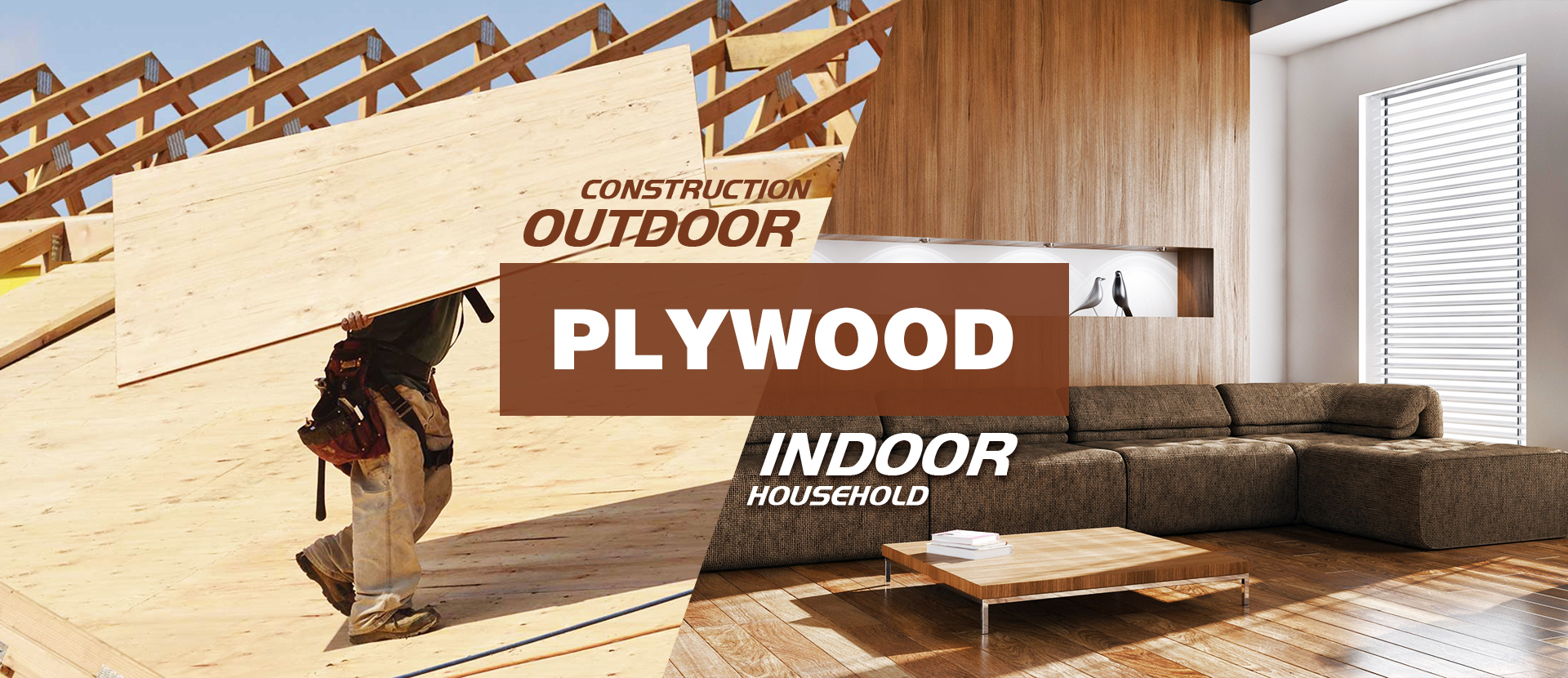

Plywood has become a go-to material for builders, cabinet makers, carpenters, and DIY enthusiasts because of its strength, versatility, and affordability. Understanding common plywood sizes and thicknesses helps you plan projects more accurately and avoid costly mistakes.
Whether you’re building a shed, crafting cabinets, or framing walls, knowing which plywood sheet to choose makes a big difference in strength, appearance, and project cost. In this guide, we break down the most used plywood measurements, including the popular 4×8 plywood sheet and why 18 mm plywood often tops the list for structural work.
What Is Plywood?
At its core, plywood is a type of engineered wood made from multiple thin layers (or “plies”) of wood veneer glued together. Each layer is oriented with its grain at right angles to the next to boost strength and minimize warping.
Learn more about plywood basics on Wikipedia.
The result is a panel that’s stronger and more stable than comparable solid wood boards of the same thickness.
Standard Plywood Sizes You’ll Encounter
For most projects—whether home builds or professional construction—plywood comes in a select group of sheet sizes. Understanding these helps you plan cuts and estimate materials.
4×8 Plywood Sheets
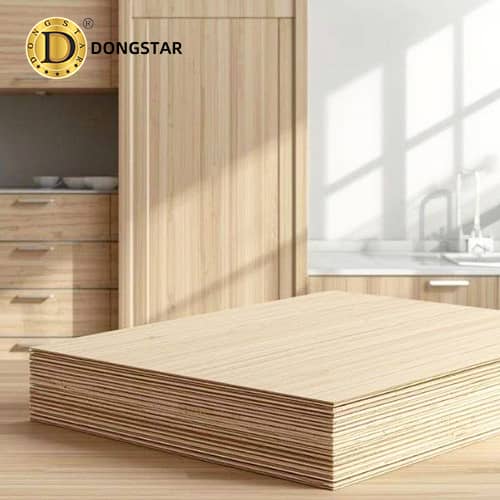
By far the most common plywood size worldwide is the 4×8 plywood sheet (4 feet by 8 feet). That’s roughly 1220 mm x 2440 mm in metric terms.
Why is this size popular?
- Matches standard stud spacing, reducing waste
- Easy to transport and handle
- Works well for floors, walls, cabinets, and furniture
See standard plywood dimensions in detail.
Although 4×8 is the norm, you can also find larger sheets like 5×5 or 4×10 in specialty suppliers—especially for big cabinetry or wall panels.
Common Plywood Thicknesses and When to Use Them
Plywood comes in many thicknesses, each suited for different structural and aesthetic purposes. Here’s a quick thickness guide:
- 1/8″ (≈3 mm)
Ideal for lightweight craft projects, drawer bottoms, and veneers.
- 1/4″ (≈6 mm)
Often used for panel backing, underlayment, or decorative elements.
- 1/2″ (≈12 mm)
Great for small furniture, shelving, and lightweight cabinets.
- 18 mm Plywood
This size (close to 3/4″) is arguably the most versatile plywood thickness.
Why 18 mm plywood is popular:
- Excellent strength for structural panels
- Works well for cabinets, shelving, stairs, and furniture
- Balances durability with easy cutting/fastening
Many construction professionals specify 18 mm plywood because it holds screws well and handles load better than thinner sheets.
- 3/4″ (≈19 mm)
Common in framing, subfloors, stair treads, and worktops.
- 1″ and thicker
Used for heavy structural applications or industrial builds.
For a complete thickness chart, check plywood thickness guides.

Choosing the Right Thickness for Your Project
Here’s a simple way to decide:
- Furniture & cabinets: Aim for 1/2″ to 18 mm plywood
- Flooring & decking substrate: Use 18 mm or thicker
- Wall sheathing & general framing: 3/4″ and above
- DIY decorative panels: 1/8″ or 1/4″
Thickness affects strength, weight, cost, and appearance. If you’re unsure, talk with a supplier or consult project plans.
Plywood Grades Matter Too
Not all plywood feels the same. Grades like A, B, C, and D describe face quality and usable surfaces. For example:
- A-grade: Smooth, ideal for visible cabinetry
- B/C: Good balance of strength and cost
- C/D or CDX: Great for structural work like roof sheathing
Different projects call for different grades, so pair the right thickness with the right quality.
Learn more about plywood grades explained.
Applications Where Sizes & Thicknesses Make a Difference
Here’s how thickness and size affect common projects:
- Cabinets & furniture:
Use 4×8 plywood cut to size — 18 mm or 1/2″ thick gives good strength without excessive weight.
- Shelving and storage systems:
Thicker plywood holds heavier loads. Aim for 18–19 mm.
- Subfloor or decking support:
Go thick — 3/4″ or more — to prevent sagging.
- Wall sheathing and framing:
Large sheets like 4×8 plywood help speed up installation.
- Outdoor projects:
Use exterior-grade plywood treated for moisture resistance.
Explore plywood for outdoor applications.
Final Tips Before You Buy
- Plan your cuts to reduce waste
- Always match plywood size to project scale
- Account for thickness when fitting hardware
- Choose the right grade for finish work
Taking a few extra minutes to evaluate size and thickness prevents project delays and improves results.
Closing Thoughts
Understanding plywood—especially common formats like 4×8 plywood and thicknesses such as 18 mm plywood—makes your project planning smarter and more cost-effective. Whether you’re building professional structures or weekend DIY pieces, this guide should help you choose the right panels with confidence.
Post time: Feb-25-2026