

Introduction: A Tipping Point for Melamine Board Demand
In 2026, the melamine board market is entering a pivotal growth phase driven by rapid urbanization, evolving interior design preferences, and strong demand from the furniture and construction industries. Reliable market forecasts indicate that the global melamine board market remains robust, with sustained expansion across key regions and verticals.
For B2B buyers — from manufacturers to architects and product developers — understanding how melamine board applications are shifting will be vital for investment planning and product strategy.
1. Expanding Applications Across Furniture Manufacturing
The furniture segment currently accounts for the largest share of melamine board demand, thanks to its affordability, aesthetic versatility, and performance characteristics.
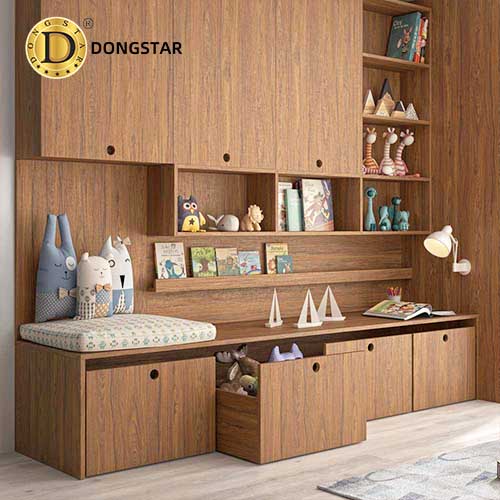
Furniture manufacturers increasingly choose melamine boards for modular and ready-to-assemble solutions. These boards offer consistent surface finish options that mimic wood, stone, and custom textures without the price tag of solid wood or engineered alternatives.
Beyond standard cabinetry and shelving, customized furniture — including smart desks and multifunction units — is opening new B2B opportunities. Advanced surface treatments make high-end looks more attainable for mid-tier brands.
2. Construction & Interior Fit-Outs: A Core Growth Driver
Modern residential and commercial projects prioritize materials that balance cost, durability, and aesthetics. Decorative panels and wall systems made with melamine boards are especially popular in office spaces, retail stores, hospitality interiors, and educational facilities.
Applications such as decorative interior panels and moisture-resistant finishes are particularly valued in high-traffic environments. In regions with booming construction volumes — such as Asia-Pacific — demand is rising fastest due to infrastructure growth and rising disposable income.
3. Innovations in Surface Technology & Customization
Surface technology advancements are reshaping how melamine boards are used. Enhanced fire retardancy, improved scratch resistance, and antibacterial coatings are broadening the applicability in sensitive environments like healthcare and food service.
Digital printing and synchronized embossing allow manufacturers to deliver tailored aesthetic solutions at scale, which is increasingly important for design-led B2B buyers. Custom patterning and premium finishes can command higher price points in competitive markets.
4. Sustainability & Regulatory Impact
With environmental performance becoming a purchasing criterion, many manufacturers are adopting greener practices and low-emission melamine formulations. Standards such as formaldehyde emission limits (e.g., CARB and E1/E0 classifications in Europe) are shaping product development and market acceptance.
Eco-certifications and compliance with sustainability frameworks help brands differentiate their melamine board offerings — particularly in institutional projects where green building certifications matter.
5. Regional Market Dynamics
Asia-Pacific continues to dominate global melamine board consumption, driven by rapid construction, growing furniture exports, and strong local manufacturing bases.
North America and Europe remain key mature markets with steady growth, especially where sustainability standards and design sophistication influence procurement decisions.
6. B2B Opportunities & Strategic Insights
For suppliers and industrial buyers, these market trends underscore two strategic imperatives:
- Product Diversification: Invest in advanced surface finishes and custom designs that meet both aesthetic and performance needs.
- Sustainability Positioning: Align product portfolios with environmental standards to capture institutional and commercial contracts.
Leading industry players are already responding with investments in coating technology, digital production lines, and distribution expansion into emerging economies.
Conclusion: Why This Matters for B2B Buyers
As we move further into 2026, melamine board’s role as a versatile, cost-effective industrial material is solidifying. Whether in mass-market furniture, customized interiors, or regulatory-driven sustainable projects, the opportunities for strategic partnerships and product innovation remain strong.
For B2B buyers, staying ahead means understanding not just the material’s technical advantages, but also how market forces are driving application and procurement decisions globally.
Support:
Post time: Dec-24-2025