




Table of Contents
- Introduction
- How Much Does a Sheet of 3/4″ Plywood Actually Weigh?
- Typical Weight Chart (4′ × 8′ Sheet)
- Why the Weight Matters for Your Project
- Quick Rule of Thumb for Estimating Weight
- Factors That Change Plywood Weight
- How to Weigh Plywood Yourself
- 3/4″ Plywood Weight vs Other Thicknesses
- Weight Considerations:
- Pro Tips for Project Planning
- Final Answer
- Summary
- FAQs
Introduction
If you’re in construction, woodworking, or serious DIY, you’ve definitely stood next to a stack of 3/4″ plywood and wondered: How heavy is this thing really? Knowing the weight matters when estimating loads, planning transport, and calculating engineering requirements.
In this post, we break down how much a sheet of 3/4 plywood weighs, what affects that weight, and how to quickly estimate weights on the job.
How Much Does a Sheet of 3/4″ Plywood Actually Weigh?
A full 4′ × 8′ sheet of 3/4″ plywood typically weighs between 60 and 70 pounds (27–32 kg).
Yes — that’s a wide range. Here’s why:
- Wood species (softwood or hardwood)
- Grade and glue type
- Moisture content
- Veneer density and resin saturation
Most construction-grade plywood (like CDX) is on the heavier end, while lighter plywood such as baltic birch can be heavier despite being thinner because of denser core layers.
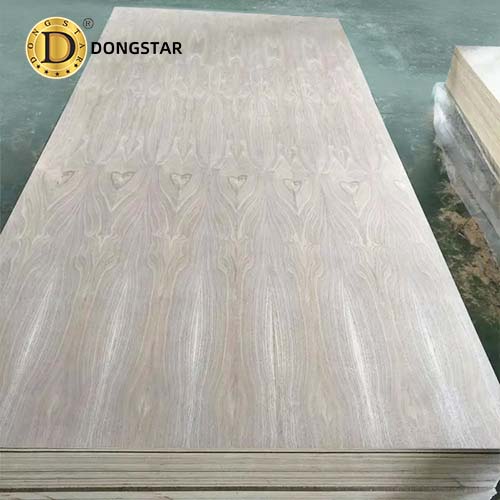
Typical Weight Chart (4′ × 8′ Sheet)
| Type of Plywood | Approx. Weight |
|---|---|
| Softwood Construction Plywood | 60–70 lbs (27–32 kg) |
| Hardwood/Baltic Birch Plywood | 65–75 lbs (30–34 kg) |
| Marine-Grade Plywood | 70–80+ lbs (32–36+ kg) |
| Exterior or Resin-Rich Plywood | 72–85+ lbs (33–38+ kg) |
Tip: Higher glue content and exterior adhesives add detectable weight.
Why the Weight Matters for Your Project
1. Structural Load Calculations
When designing platforms, mezzanines, or built-ins, you must know how much weight your framing will support. A stack of plywood adds up fast.
2. Handling & Labor Planning
Lighter crews or DIYers should plan for safe lifting — awkward handling is often the main challenge, not just pounds on a scale.
3. Transportation & Delivery
Weight affects whether a pickup, trailer, or freight truck is needed. A bundle of plywood can approach 1,000+ lbs.
Quick Rule of Thumb for Estimating Weight
If you don’t have exact specs on hand, use this simple formula:
Estimated weight = 6.5 lbs per square foot × (thickness in inches / 0.75)
So a 4′ × 8′ sheet:
= 6.5 × 32 sq ft × (0.75 / 0.75)
≈ 208 lbs (CORRECTION needed)
Oops! Scratch that math — that formula is a starting point but overestimates for 3/4″ plywood.
Instead memorize the real range:
60–75 lbs for most construction uses
Factors That Change Plywood Weight
Wood Species
- Pine, fir, and spruce are lighter
- Birch, maple, oak are heavier
Moisture Content
- Wood absorbs water — especially exterior and construction plywood stored outdoors. Every extra % of moisture adds weight.
Glue & Core Quality
- More glue, more resin, more weight.
How to Weigh Plywood Yourself
If you’re unsure, here’s how pros check:
- Weigh a full stack on a platform scale
- Divide by the number of sheets
- Adjust by moisture or species differences
No scale? Tie a rope and use a suspension scale to get a pretty accurate measure.
3/4″ Plywood Weight vs Other Thicknesses
| Thickness | Approx. Weight (4′×8′) |
|---|---|
| 1/4″ | ~20–25 lbs |
| 1/2″ | ~40–50 lbs |
| 3/4″ | 60–75 lbs |
| 1″ | ~80–95 lbs |
This chart helps when estimating materials across a full build.
Weight Considerations:
CDX vs Hardwood
CDX plywood (common for subfloor/roofing) is built for weather resistance and structure — it’s usually heavier.
Hardwood plywood (like birch or oak) can actually be denser and somewhat heavier per sheet even though it’s used for cabinetry.
Pro Tips for Project Planning
- Always assume the heavier end of the range when calculating loads.
- Save money and weight by choosing grade-appropriate plywood — don’t buy hardwood when softwood is sufficient.
- Stack plywood flat, cover it, and keep it dry to prevent moisture gain.
Final Answer
A 4′ × 8′ sheet of 3/4″ plywood generally weighs approximately 60–75 lbs (27–34 kg), depending on wood type and moisture content.
If you need precise numbers for engineering or purchase planning, always check the manufacturer’s sheet spec — but for most jobsite and DIY planning, this range is reliable.
Summary
Knowing the 3/4 plywood weight helps you:
- Plan material handling
- Calculate structural loads
- Estimate transportation needs
- Budget more accurately
FAQs
Q1: Does all 3/4″ plywood weigh the same?
No — weight varies based on species, glue, and moisture.
Q2: Is marine plywood heavier than construction plywood?
Yes — marine grades usually weigh more due to resin and core layers.
Q3: Can plywood weight affect structural design?
Absolutely — always account for the weight when designing floors and roofs.
Q4: Why does moisture content matter?
Because water in the wood can add significant pounds per sheet.
Q5: Is Baltic Birch plywood heavier than CDX?
Often yes — Baltic Birch is denser and heavier per square foot.
Q6: How can I reduce weight when transporting plywood?
Order lighter grades or cut sheets down to size before transport.
Post time: Feb-28-2026