

If you’re comparing Aspenite vs Plywood, you’re likely planning a construction or renovation project—and the choice you make can directly impact cost, durability, and long-term performance.
Here’s the truth: both materials are widely used, but they behave very differently under pressure, moisture, and time. Choosing wrong can cost you thousands in repairs.
Let’s break it down in a practical, no-nonsense way.
What Is Aspenite and Why Builders Still Use It
Aspenite is often grouped with OSB (oriented strand board), and in many cases, the terms are used interchangeably in construction.
Aspenite vs OSB: Are They the Same?
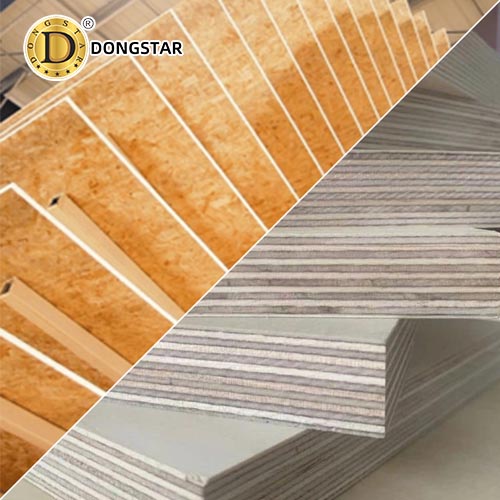
Aspenite is essentially a type of engineered wood made from compressed wood particles or strands bonded with resin.
It shares many characteristics with OSB:
- Uniform density
- Budget-friendly pricing
- Common in structural sheathing
Manufacturing Process
Aspenite is made by:
- Breaking wood into small strands or particles
- Applying adhesives
- Compressing under heat and pressure
This creates a dense panel—but not as structurally refined as plywood.
What Is Plywood? A Proven Industry Standard
Plywood has been a trusted material in construction for decades.
Cross-Laminated Structure Explained
Plywood consists of thin wood veneers glued in alternating directions.
This design gives it:
- Higher strength
- Better flexibility
- Resistance to warping
Why Plywood Is Considered Premium
Compared to Aspenite:
- Stronger under load
- Better moisture recovery
- Smoother finish for visible surfaces
Aspenite vs Plywood: Core Differences Explained
1. Strength and Load Capacity
Plywood generally offers higher stiffness and load-bearing capacity.
Aspenite:
- Even load distribution
- Slightly weaker rigidity
Best for: budget structural work
Plywood wins for: heavy-duty flooring & furniture
2. Moisture Resistance and Durability
This is the biggest decision factor.
- Aspenite swells and may not recover after water exposure
- Plywood dries faster and retains shape better
If moisture is involved → choose plywood
3. Cost Comparison (2026 Trends)
Aspenite is typically:
- 20–40% cheaper than plywood
That’s why:
- Large builders prefer Aspenite
- Budget projects rely on it
4. Weight and Handling
- Aspenite = heavier
- Plywood = lighter and easier to install
5. Fastener Holding Power
Plywood clearly wins:
- Stronger nail and screw grip
- Less risk of loosening over time
Pros and Cons of Aspenite vs Plywood
Aspenite Pros
- Lower cost
- Uniform structure
- Eco-efficient production
Aspenite Cons
- Poor moisture resistance
- Weaker fastener grip
- Rough surface
Plywood Pros
- Strong and durable
- Better moisture performance
- Smooth finish
Plywood Cons
- Higher cost
- May contain natural imperfections
Best Use Cases: When to Choose Aspenite vs Plywood
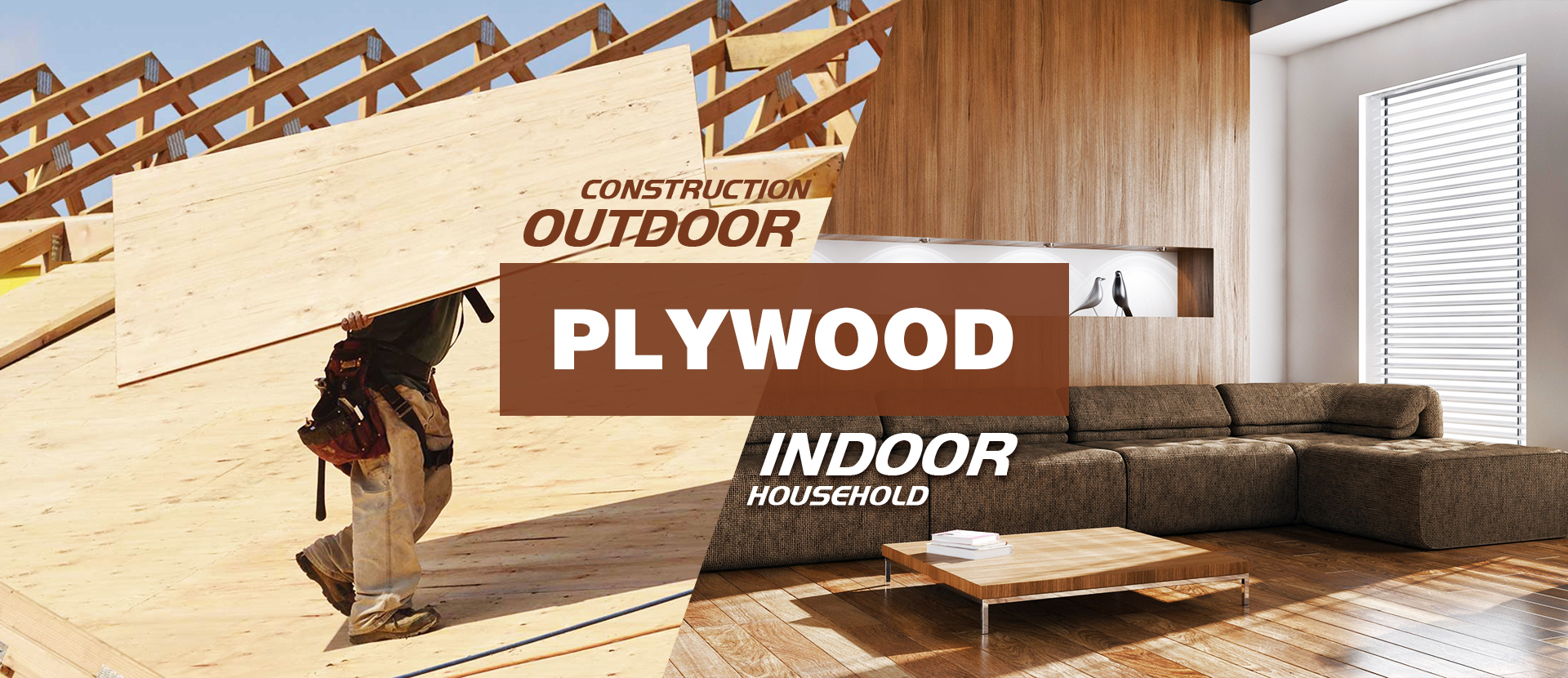
Construction Projects
- Aspenite → walls, roofs, subfloors (dry conditions)
- Plywood → structural flooring, load-bearing areas
Furniture & Interior Use
- Aspenite → hidden structures
- Plywood → cabinets, shelves, visible finishes
Outdoor or Wet Environments
Always choose plywood.
Why?
Aspenite’s edge swelling can be permanent and damaging.
Cost vs Value: Which Saves More Long-Term?
Short-term:
- Aspenite saves money upfront
Long-term:
- Plywood reduces maintenance and replacement
Conclusion:
Cheap now ≠ cheap later
Aspenite vs Plywood: Expert Buying Tips
Before buying, ask:
- Will this material get wet?
- Does it need to look good?
- Is long-term durability important?
Frequently Asked Questions (FAQs)
1. Is Aspenite the same as plywood?
No. Aspenite is closer to OSB or particle board, while plywood uses layered veneers.
2. Which is stronger: Aspenite vs Plywood?
Plywood is stronger and more rigid.
3. Is Aspenite waterproof?
No. It performs poorly in moisture.
4. Why is Aspenite cheaper?
It uses smaller wood particles and less processing.
5. Can Aspenite be used outdoors?
Not recommended unless sealed and protected.
6. What do contractors prefer in 2026?
Large builders often use Aspenite for cost, but professionals choose plywood for durability.
External Resource (Recommended Reading)
For deeper technical comparison, check this guide:
https://www.bobvila.com/articles/526-enhanced-plywood-and-subfloor-products/
Conclusion: Which One Should You Choose?
If your project is:
- Budget-driven → Aspenite
- Durability-focused → Plywood
In most professional scenarios, plywood wins where performance matters.
Post time: Apr-07-2026